
Israel Grants First License for Shekel-Pegged Stablecoin
Israel's Capital Markets Authority has issued its first-ever license for a shekel-backed stablecoin. Crypto exchange Bits of Gold will issue the BILS token on the Solana blockchain.
Israel's First Shekel Stablecoin Gets Regulatory Green Light
Israel's Capital Markets Authority has granted the country's first-ever license for a stablecoin pegged to the Israeli shekel. The license was awarded to crypto exchange Bits of Gold, which spent two years operating within a regulatory sandbox before receiving approval.
The new digital asset, trading under the ticker BILS, is built on the Solana blockchain. Custodial infrastructure was provided by Fireblocks, while auditing firm EY conducted the security audit.
Why This Matters
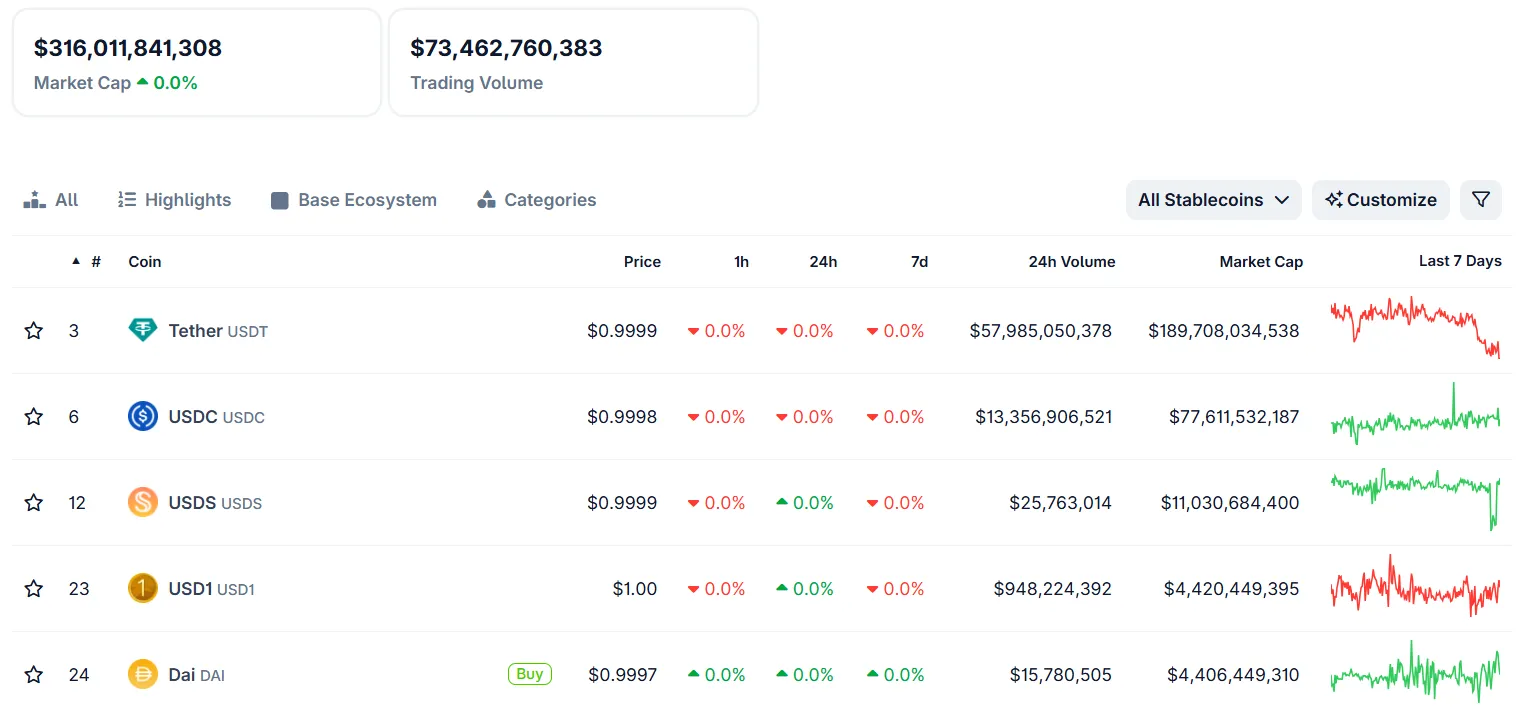
The global stablecoin market has surpassed $300 billion, with the vast majority of tokens pegged to the US dollar. This dollar dominance has become a growing concern for regulators worldwide, who view it as a threat to their nations' digital sovereignty.
The launch of BILS is designed to address this issue for the Israeli market by offering a blockchain-native alternative denominated in the local currency. According to Bits of Gold, the shekel has performed well against developed-market currencies, appreciating nearly 20% against the US dollar over the past year.
A Digital Future for the Shekel
The groundwork for a digital shekel has been in the making for some time. Back in 2024, the Bank of Israel invited both domestic and international service providers to participate in developing innovative use cases for a digital version of the national currency.
With BILS, the shekel joins a growing roster of fiat currencies that have stablecoin counterparts operating on blockchain networks. The euro, Japanese yen, and Singapore dollar already have digital representations circulating in various blockchain ecosystems.
National Stablecoins Gaining Momentum Globally
Israel's move reflects a broader international trend as governments increasingly explore tokenized versions of their currencies:
- Kazakhstan announced Evo, a stablecoin also built on Solana, in September.
- In December, Cumberland was reported to be assisting Bhutan in launching a national stablecoin.
The proliferation of locally-denominated stablecoins signals a shift in how countries are approaching digital finance. Rather than ceding ground to dollar-pegged tokens, nations are opting to bring their own currencies into the blockchain era — seeking to preserve monetary sovereignty while embracing the efficiency benefits of tokenized assets.
Frequently Asked Questions
What is the BILS stablecoin?
BILS is a stablecoin pegged to the Israeli shekel, built on the Solana blockchain. It is issued by crypto exchange Bits of Gold, which received the first-ever stablecoin license from Israel's Capital Markets Authority.
Which blockchain does the Israeli shekel stablecoin use?
BILS operates on the Solana blockchain. The infrastructure was developed with custodian Fireblocks, and the security audit was conducted by EY.
Why is Israel launching its own stablecoin?
The stablecoin market exceeds $300 billion, dominated almost entirely by dollar-pegged tokens. Israeli regulators view this as a digital sovereignty concern, and BILS is intended to provide a local alternative for the domestic market.
Which countries are developing national stablecoins?
Besides Israel, Kazakhstan announced the Evo stablecoin on Solana, and Bhutan is working on a national stablecoin with Cumberland's support. Digital versions of the euro, yen, and Singapore dollar already exist in blockchain ecosystems.
How much has the shekel appreciated against the dollar?
According to Bits of Gold, the Israeli shekel has gained nearly 20% against the US dollar over the past year, making it one of the strongest performing currencies among developed markets.
Read also
Bitcoin Rebounds to $70,000 as Leverage Drops and ETF Inflows Continue
BTC recovered above $70,000 on March 10, erasing weekend losses. Spot ETFs attracted $568M in weekly inflows while the estimated leverage ratio on Binance fell sharply from 0.198 to 0.152.
Stablecoin Transfer Volume Hits $10.5 Trillion in January — Highest Since April 2022
January stablecoin transaction volume surpassed $10.5 trillion, marking the highest monthly figure since April 2022. USDC led transfers while USDT maintained market cap dominance.
TRON Energy Rental: How to Cut USDT Transfer Fees by Up to 60%
USDT issuance on TRON surpassed $85 billion in February 2026, but transfer fees remain steep at $1.83–$3.83 per transaction. Energy rental services like TronZap offer a way to cut costs by 50–60%.
How ERC-8004 and x402 Standards Are Turning AI Agents Into Market Participants
Blockchain standards ERC-8004 and x402 are building the infrastructure for autonomous machine payments, challenging Big Tech's closed ecosystems and the attention economy model.
Bernstein Calls $60,000 a 'Clear Bottom' for Bitcoin, Expects Extended Bull Cycle
Analysts at Bernstein have identified $60,000 as a firm floor for Bitcoin, projecting a structurally longer bull cycle. On-chain data from Glassnode confirms a resurgence of buying activity.
Top 10 Dollar Stablecoins in 2026: From Dominant Players to Exit Candidates
The stablecoin market has surpassed $311 billion in total capitalization. Here's a breakdown of the ten largest USD-pegged stablecoins — from undisputed leaders Tether and Circle to ambitious newcomers.