
Standard Chartered Maintains DeFi Outlook Despite $292M Kelp Protocol Hack
Standard Chartered analysts view the $292M Kelp protocol exploit as a serious but non-fatal blow to DeFi, maintaining their forecast for the tokenized asset market to reach $2 trillion by 2028.
$292M Kelp Exploit Shakes DeFi but Doesn't Break It, Says Standard Chartered
Banking giant Standard Chartered has opted not to revise its decentralized finance outlook following the $292 million exploit of the Kelp protocol — one of the largest security incidents in 2026. The bank's analysts shared their assessment with The Block.
The attack took place on April 18. The hacker stole rsETH tokens and used them as collateral on Aave, the largest lending protocol in DeFi. This allowed the attacker to withdraw real assets, triggering widespread panic and a massive outflow of funds from the platform.
Why This Matters
The fallout was substantial. According to Standard Chartered's data, users pulled $17 billion in deposits from Aave — representing 38% of total deposits on the platform. Outstanding loans dropped by $5.5 billion. The scale of the withdrawal underscored how a single protocol breach can cascade across the broader DeFi ecosystem.
However, the industry's coordinated response proved equally notable. Geoffrey Kendrick, head of digital asset research at Standard Chartered, described the event as a test of "antifragility" for decentralized finance.
Recovery Coalition and Systemic Lessons
A coalition led by Aave founder Stani Kulechov committed more than $300 million toward restoring the protocol's operations. The effort received backing from Arbitrum, ConsenSys, Mantle, and Lido.
Standard Chartered's analysts identified three systemic issues exposed by the crisis:
- Asset-liability mismatches within DeFi lending markets;
- Risks associated with complex collateral instruments;
- Vulnerabilities in cross-chain bridges, which remain a frequent target for hackers.
The bank's team believes the incident will accelerate the transition to Aave's fourth protocol version and the creation of the "Ethereum Economic Zone." Both upgrades aim to reduce dependence on bridges — a recurring weak point exploited by attackers.
Tokenization Market Forecast Unchanged
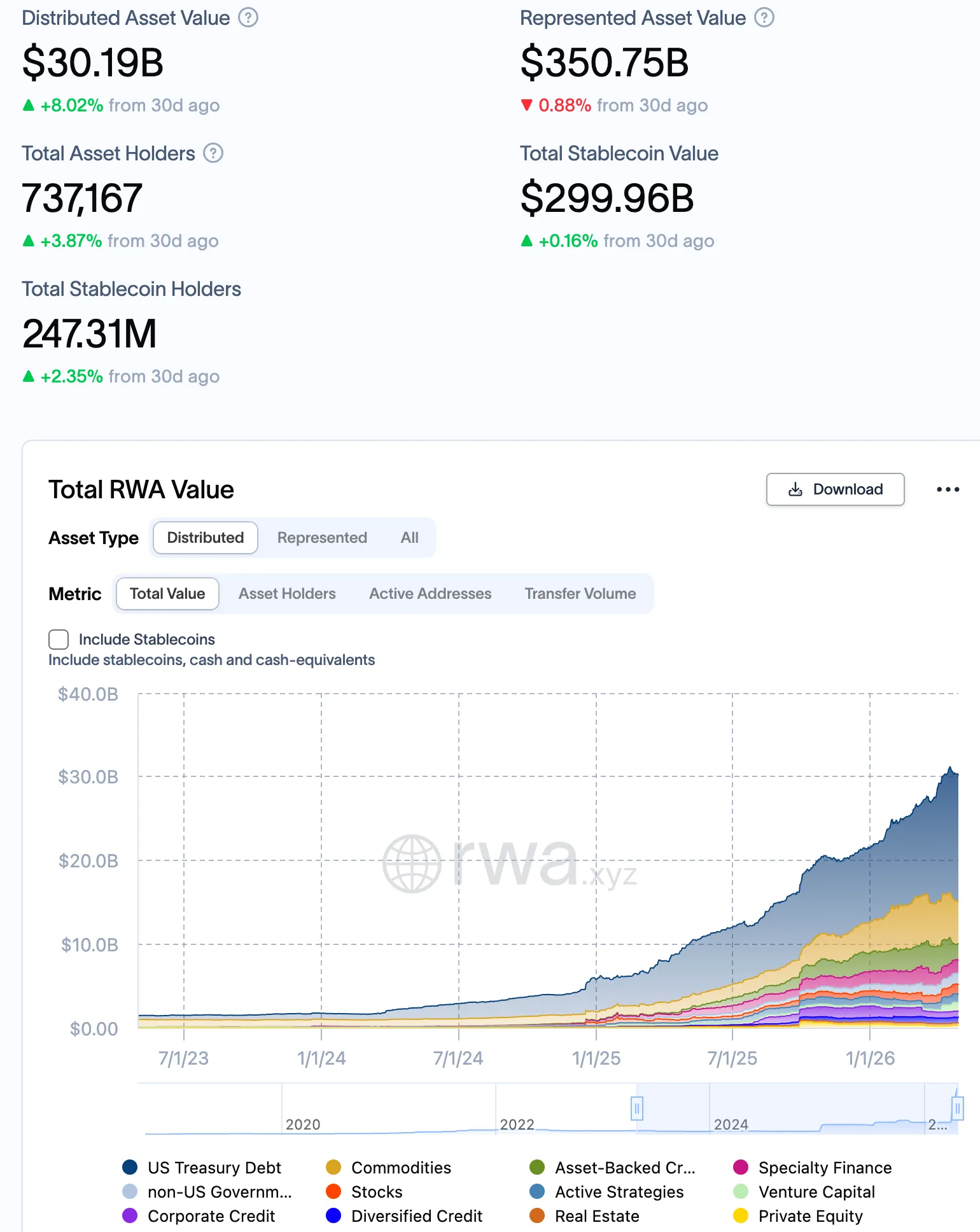
Standard Chartered reaffirmed its projection that the tokenized asset market will grow from $30.19 billion in 2025 to $2 trillion by the end of 2028. Kendrick argued that the KelpDAO exploit will only accelerate the maturation of DeFi infrastructure rather than derail it.
Not everyone on Wall Street shares this optimism, however. Andrew Moss of Jefferies has previously suggested that the string of DeFi exploits could dampen institutional interest in blockchain technology altogether.
Whether the Kelp incident ultimately proves to be a turning point for DeFi security improvements or validates skeptics' concerns about the sector's readiness for mainstream adoption remains to be seen.
Frequently Asked Questions
How much was stolen in the Kelp protocol hack?
The Kelp protocol was exploited for $292 million on April 18, 2026. The attacker stole rsETH tokens and used them as collateral on Aave to withdraw real assets from the lending platform.
How did the Kelp hack affect Aave deposits?
Users withdrew $17 billion in deposits from Aave, representing 38% of total platform deposits. Active loans also decreased by $5.5 billion as panic spread through the DeFi ecosystem.
What is Standard Chartered's tokenized asset market forecast?
Standard Chartered projects the tokenized asset market to grow from $30.19 billion in 2025 to $2 trillion by the end of 2028. The bank maintained this forecast despite the Kelp exploit.
Who contributed to the Aave recovery fund after the Kelp hack?
A coalition led by Aave founder Stani Kulechov raised over $300 million for recovery efforts. The initiative was supported by Arbitrum, ConsenSys, Mantle, and Lido.
What DeFi vulnerabilities did the Kelp exploit reveal?
Standard Chartered identified three key systemic issues: asset-liability mismatches in DeFi lending markets, risks from complex collateral instruments, and vulnerabilities in cross-chain bridges that remain frequent hacker targets.
Read also
TON Wallet Introduces Yield Vaults for BTC, ETH, and USDT Directly in Telegram
TON Wallet has launched yield vaults for BTC, ETH, and USDT directly within Telegram, offering up to 18% APY on stablecoins through partnerships with Morpho, TAC, and Re7.
Weekly Recap: Aave Ecosystem Rescue Mobilizes 100,000 ETH and Quantum Computer Cracks 15-Bit ECC Key
Bitcoin held near $78,000, the DeFi community rallied over 100,000 ETH to help Aave recover from the Kelp hack, and a researcher cracked a 15-bit ECC key on a quantum computer.
Bitcoin Down 2.5% Weekly: Jane Street Accusations & 7 Ethereum Forks
Bitcoin lost ~2.5% over the week amid macro shocks and geopolitical tensions. Jane Street faced market manipulation allegations while Ethereum unveiled an ambitious seven hard fork roadmap through 2029.
AI Audit Uncovers Critical Liveness Bug in Ethereum's Nethermind Client
Octane Security's AI discovered a high-severity vulnerability in the Nethermind execution client that could have halted block production for 38% of Ethereum mainnet validators. The Ethereum Foundation awarded a maximum $50,000 bounty.
Bitcoin Hits $70,000 as Iran Ceasefire Talks Boost Risk Appetite
Bitcoin surged 4% to test the $70,000 level on April 6 amid reports of ceasefire negotiations between the US, Israel, and Iran. The derivatives market, however, sends mixed signals.
Bitcoin Rebounds to $70,000 as Leverage Drops and ETF Inflows Continue
BTC recovered above $70,000 on March 10, erasing weekend losses. Spot ETFs attracted $568M in weekly inflows while the estimated leverage ratio on Binance fell sharply from 0.198 to 0.152.