
Weekly Recap: Aave Ecosystem Rescue Mobilizes 100,000 ETH and Quantum Computer Cracks 15-Bit ECC Key
 BinanceEXCHANGE
Bitcoin held near $78,000, the DeFi community rallied over 100,000 ETH to help Aave recover from the Kelp hack, and a researcher cracked a 15-bit ECC key on a quantum computer.
The past week saw Bitcoin solidify its position above $77,000, a massive community-driven effort to raise over 100,000 ETH for the Aave ecosystem following the Kelp exploit, and a new milestone in quantum computing — a 15-bit ECC key extraction. OpenAI also launched GPT-5.5, and a new documentary explored the identity of Satoshi Nakamoto.
Bitcoin Consolidates Near $78,000
The leading cryptocurrency had a turbulent start to the week, dipping to $73,000 on Monday. By Tuesday, April 21, BTC had rebounded to $76,000. On Wednesday, the asset broke through the $78,000 resistance level — previously tested the week before — and hit a local high of $79,500.
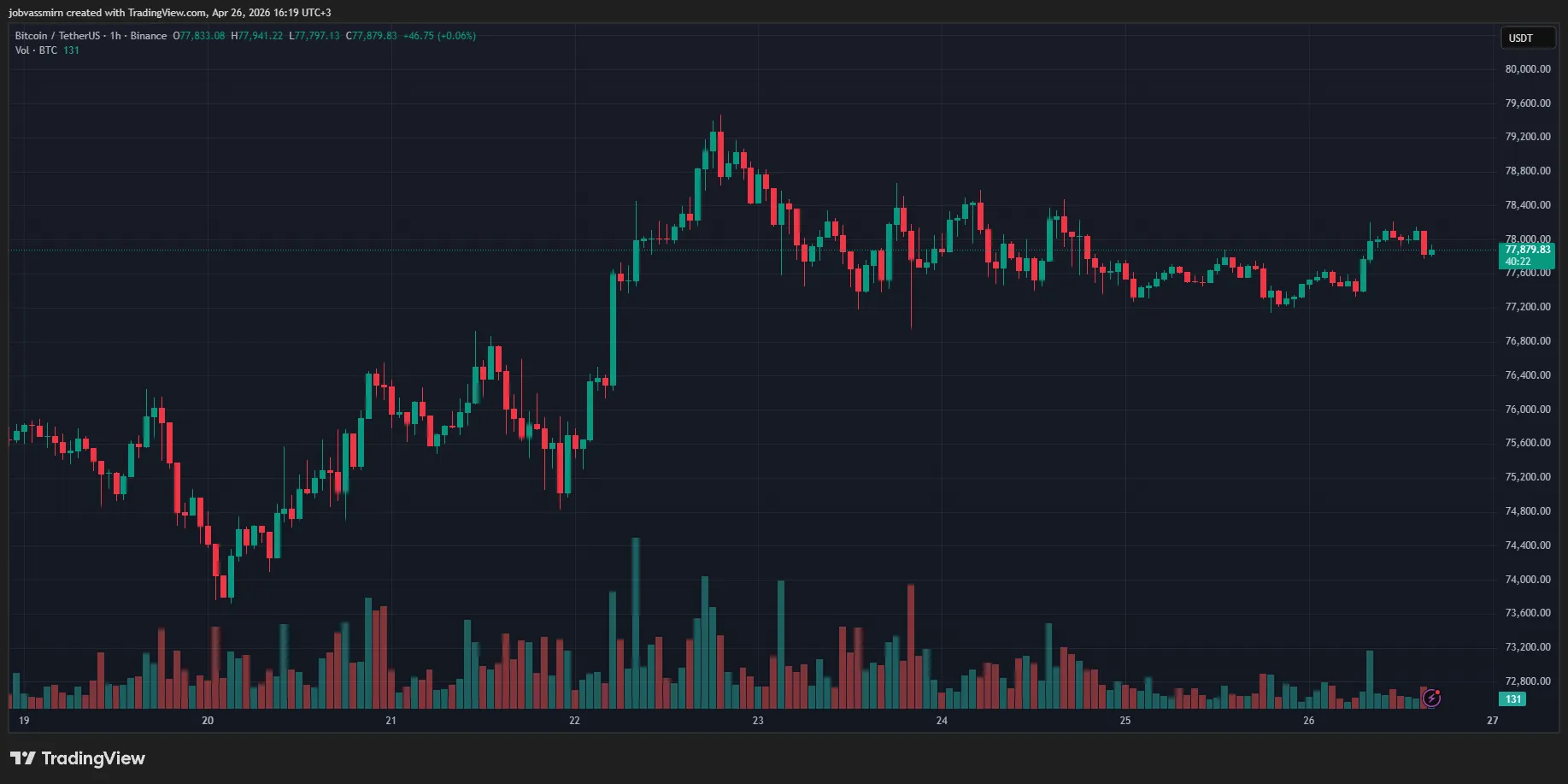
From Thursday onward, Bitcoin traded in a tight $77,000–$79,000 range. At the time of the original report, the price stood at $77,800 — up 1.5% for the week. Several analysts attributed the rally primarily to the derivatives market rather than spot demand: the push toward $79,000 triggered a cascade of short liquidations totaling approximately $1.1 billion.
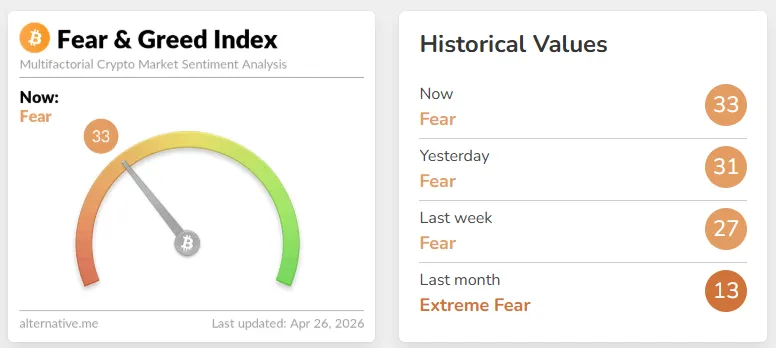
The Crypto Fear & Greed Index briefly rose to 46 — its highest reading since January — before settling back to 33, signaling "fear."
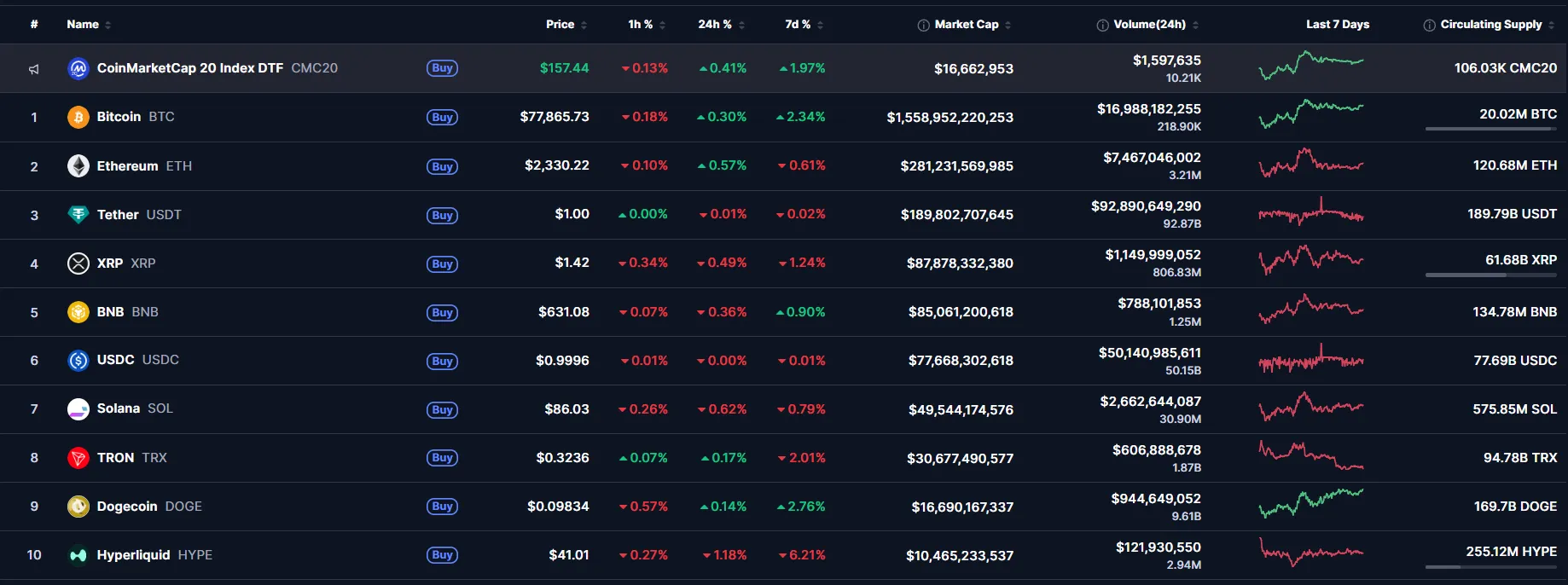
Among the top-10 altcoins, Ethereum remained flat at $2,300 (-0.5%), XRP traded at $1.4 (-1.2%), and BNB at $631 (+1%).
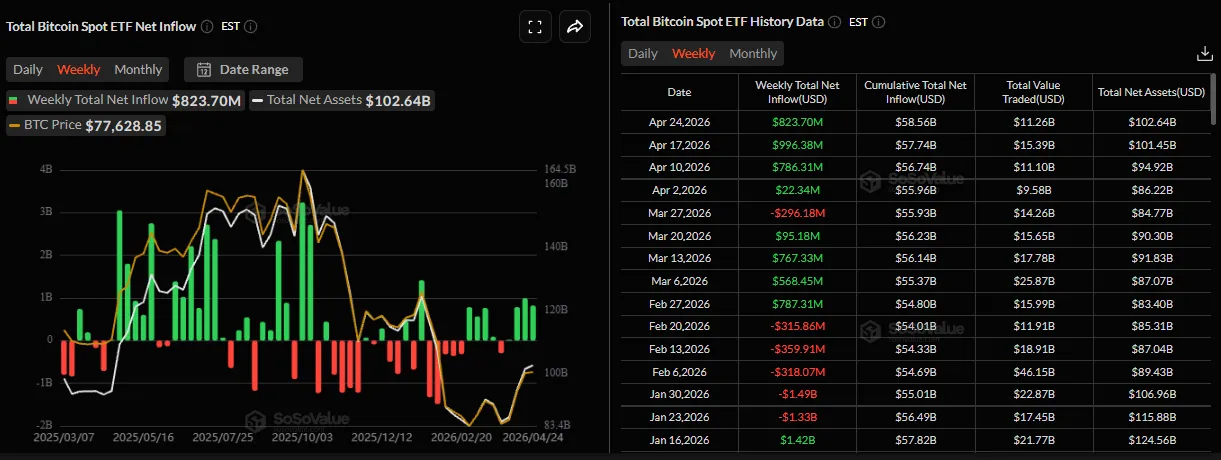
Spot Bitcoin ETFs recorded their fourth consecutive week of inflows at $823 million. Ethereum funds attracted $155 million — their third straight positive week.
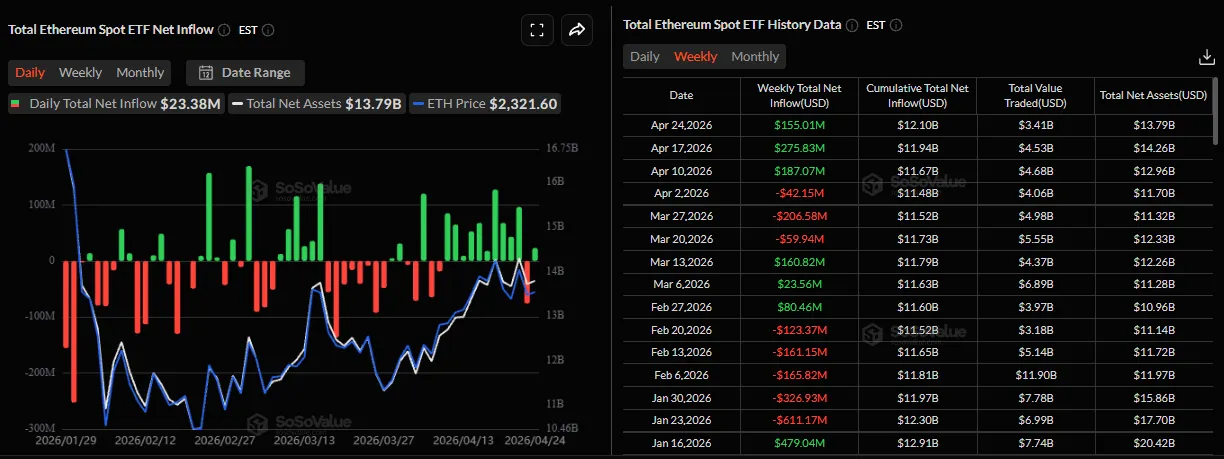
Total crypto market capitalization reached $2.68 trillion, with BTC dominance at 58.2% and ETH at 10.5%.
Community Rallies 100,000 ETH to Rescue Aave
Fallout from the Kelp exploit continued to dominate the DeFi landscape. The primary challenge was covering the rsETH token deficit. On April 23, the affected lending protocol Aave partnered with major DeFi platforms to launch DeFi United — an open fundraising campaign for ecosystem recovery.
Aave stated: "We believe that collaboration matters most in moments like these, and our priority is to achieve the best possible outcome for users."
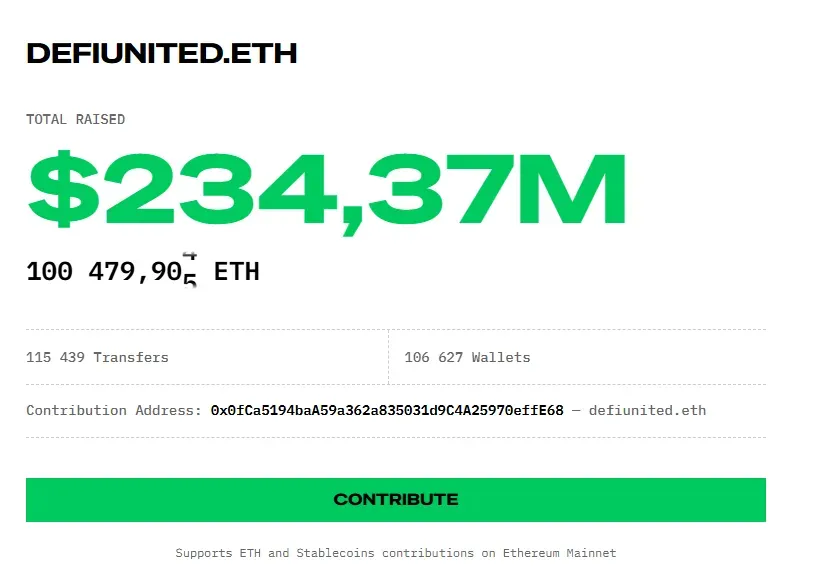
Within days, the campaign raised over 100,000 ETH (~$230 million), nearly covering the estimated $290 million in damages from the hack.
The largest contributors:
- Mantle — 30,000 ETH
- Aave DAO — 25,000 ETH
- Stani Kulechov (Aave founder) — 5,000 ETH
- Ether.fi — 5,000 ETH
- Lido Finance — 2,500 ETH
An additional 30,700 ETH was recovered through freezing stolen funds on Arbitrum. Around 400 ETH came from community donations. Aave and its partners established a dedicated fund to restore rsETH collateral, while Kelp created a separate structure for user compensations.
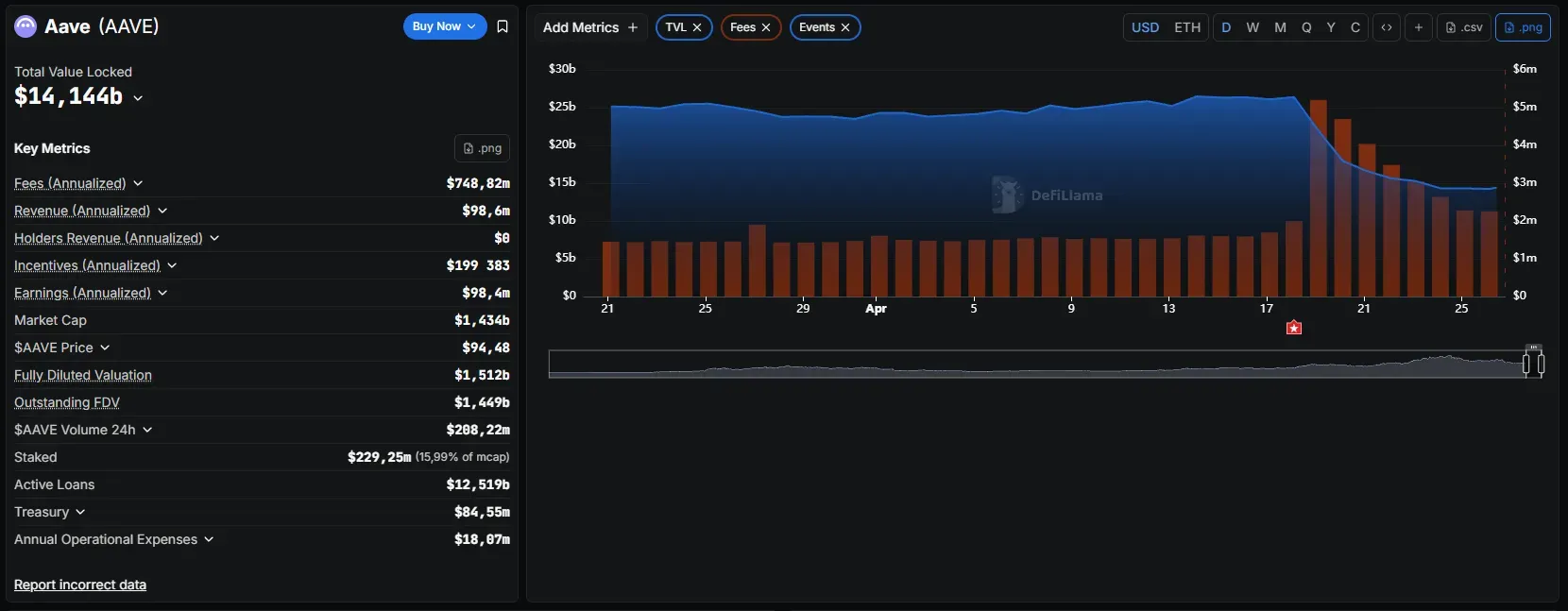
Aave's TVL decline was stabilized at approximately $14 billion as of April 26, though total deposits had shrunk by more than $12 billion since the attack.
Why This Matters
The Kelp hack and the subsequent DeFi mobilization demonstrated both the vulnerability of decentralized finance and the ecosystem's capacity for self-organization. Raising $230 million within days represents an unprecedented collective crisis response in DeFi. Yet the $12 billion TVL loss at Aave underscores the severe impact that major exploits can have on even the largest protocols.
Quantum Computer Cracks 15-Bit ECC Key
Independent researcher Giancarlo Lelli successfully extracted a 15-bit elliptic curve cryptography (ECC) key using a publicly accessible quantum computer. Startup Project Eleven awarded him 1 BTC through its Q-Day Prize program.
Lelli employed a modified version of Shor's algorithm to search through 32,767 possible combinations. The method targets the discrete logarithm problem on elliptic curves — the mathematical foundation of digital signatures used in most blockchains. The previous record belonged to engineer Steve Tippeconnic, who had extracted a 6-bit key on an IBM 133-qubit machine. Lelli's result surpassed that by a factor of 512.
Project Eleven called the experiment the largest quantum crack of elliptic curves to date, noting the rapidly narrowing gap with real-world systems (Bitcoin uses 256-bit ECC). They characterized bridging this gap as an engineering challenge rather than a fundamental physics problem.
However, critics pushed back. Former Bitcoin Core developer Jonas Schnelli argued that quantum computing provided nothing useful here — the result was obtained through classical verification of output data indistinguishable from random noise. He reproduced the experiment using 20 lines of Python without any quantum hardware. Cryptographer Adam Back agreed with Schnelli's assessment, and analyst Jace Check suggested the prize payout was simply a marketing move by Project Eleven.
New Documentary Explores Satoshi's Identity
On April 22, the documentary Finding Satoshi premiered — directed by Tucker Toole and Matthew Mile. The film presents the findings of a four-year investigation by business writer William D. Cohan and private investigator Tyler Maroney. Their conclusion: cryptographers Hal Finney and Len Sassaman jointly operated under the Satoshi Nakamoto pseudonym, with Finney handling the code and Sassaman responsible for the written and academic components, including the white paper.
The evidence was built on analyzing the digital activity of both candidates and matching it with Satoshi's known online behavior patterns. The documentary features interviews with Bill Gates, Gary Gensler, Michael Saylor, Joseph Lubin, and Fred Ehrsam. The filmmakers emphasized that their work presents a hypothesis, not a definitive answer.
OpenAI Launches GPT-5.5
On April 23, OpenAI released GPT-5.5, positioning it as "a new level of intelligence for real work and agent management." The model can understand user intent, plan workflows, write and debug code, search the web, analyze data, create documents, and manage software tools.
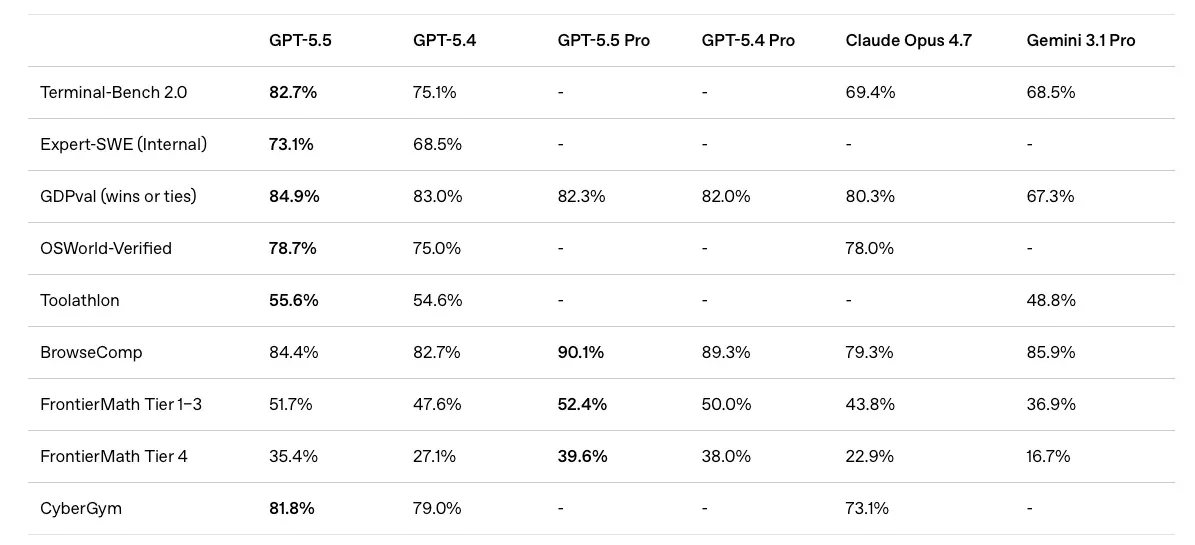
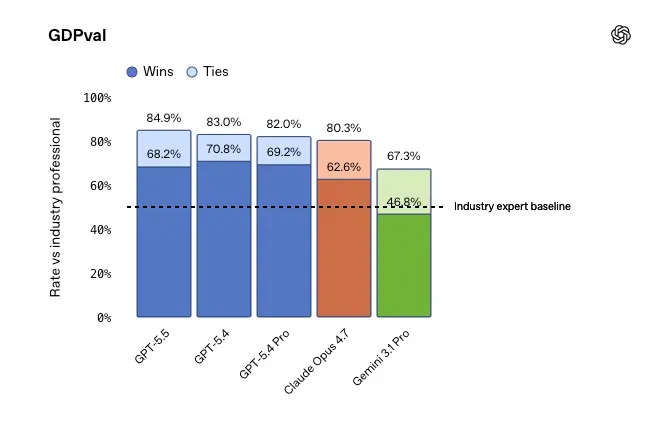
According to OpenAI, GPT-5.5 "noticeably outperforms" GPT-5.4 and Claude Opus 4.7 in reasoning and autonomy. The model is available in ChatGPT and Codex for Plus, Pro, Business, and Enterprise subscribers. A GPT-5.5 Pro version is offered to Pro, Business, and Enterprise users. API access is expected soon at $5 per million input tokens and $30 per million output tokens, with a 1-million-token context window.
Frequently Asked Questions
What happened to Aave after the Kelp hack?
Aave suffered an rsETH token deficit following the Kelp exploit. The protocol launched DeFi United alongside other DeFi platforms, raising over 100,000 ETH (~$230 million) within days. Aave's TVL stabilized at around $14 billion, though deposits had dropped by more than $12 billion since the attack.
Who cracked the ECC key on a quantum computer?
Independent researcher Giancarlo Lelli extracted a 15-bit ECC key using a publicly available quantum computer. Project Eleven awarded him 1 BTC through its Q-Day Prize program. The result was 512 times larger than the previous record of 6 bits.
Is quantum computing a real threat to Bitcoin?
Bitcoin uses 256-bit ECC while the current quantum cracking record stands at 15 bits. Project Eleven views closing this gap as an engineering challenge, but critics like former Bitcoin Core developer Jonas Schnelli argue the method is unscalable and equivalent to classical guessing.
What is Bitcoin's price as of April 26, 2026?
Bitcoin was trading at $77,800 at the time of reporting, up 1.5% for the week. The local high reached $79,500 on Wednesday, driven primarily by derivatives market activity and $1.1 billion in short liquidations.
What does the Finding Satoshi documentary claim?
The documentary presents the hypothesis that cryptographers Hal Finney and Len Sassaman jointly operated as Satoshi Nakamoto. Finney allegedly handled the code while Sassaman was responsible for written materials including the white paper. The filmmakers stressed this is a theory, not a definitive answer.
Read also
TON Wallet Introduces Yield Vaults for BTC, ETH, and USDT Directly in Telegram
TON Wallet has launched yield vaults for BTC, ETH, and USDT directly within Telegram, offering up to 18% APY on stablecoins through partnerships with Morpho, TAC, and Re7.
Bitcoin Drops Below $67,000 as Ethereum Foundation Unveils Quantum Defense Roadmap
Bitcoin lost 3% over the week amid Middle East tensions and ETF outflows, miner activity hit historic lows, and Ethereum Foundation outlined a four-hardfork plan for quantum resistance by 2029.
Weekly Recap: 20M BTC Mined, US Treasury Backs Crypto Mixer Privacy Rights
Less than 1 million bitcoins remain to be mined, the US Treasury reversed its stance on crypto mixers to support privacy rights, and Hyperliquid crossed $4 trillion in cumulative trading volume.
Bitcoin Down 2.5% Weekly: Jane Street Accusations & 7 Ethereum Forks
Bitcoin lost ~2.5% over the week amid macro shocks and geopolitical tensions. Jane Street faced market manipulation allegations while Ethereum unveiled an ambitious seven hard fork roadmap through 2029.
Strategy Becomes Most-Shorted US Stock With $6B in Bets
Strategy tops the list of most-shorted large-cap US stocks with $6 billion in short positions, representing 14% of its market cap, as Bitcoin's decline erodes confidence in the company's debt-fueled BTC accumulation model.
Institutional Investors Dump ETF Shares Worth 25,000 BTC During Market Crash
Institutional investors massively sold Bitcoin ETF positions in Q4 2025, offloading shares equivalent to 25,098 BTC during the crypto market correction.