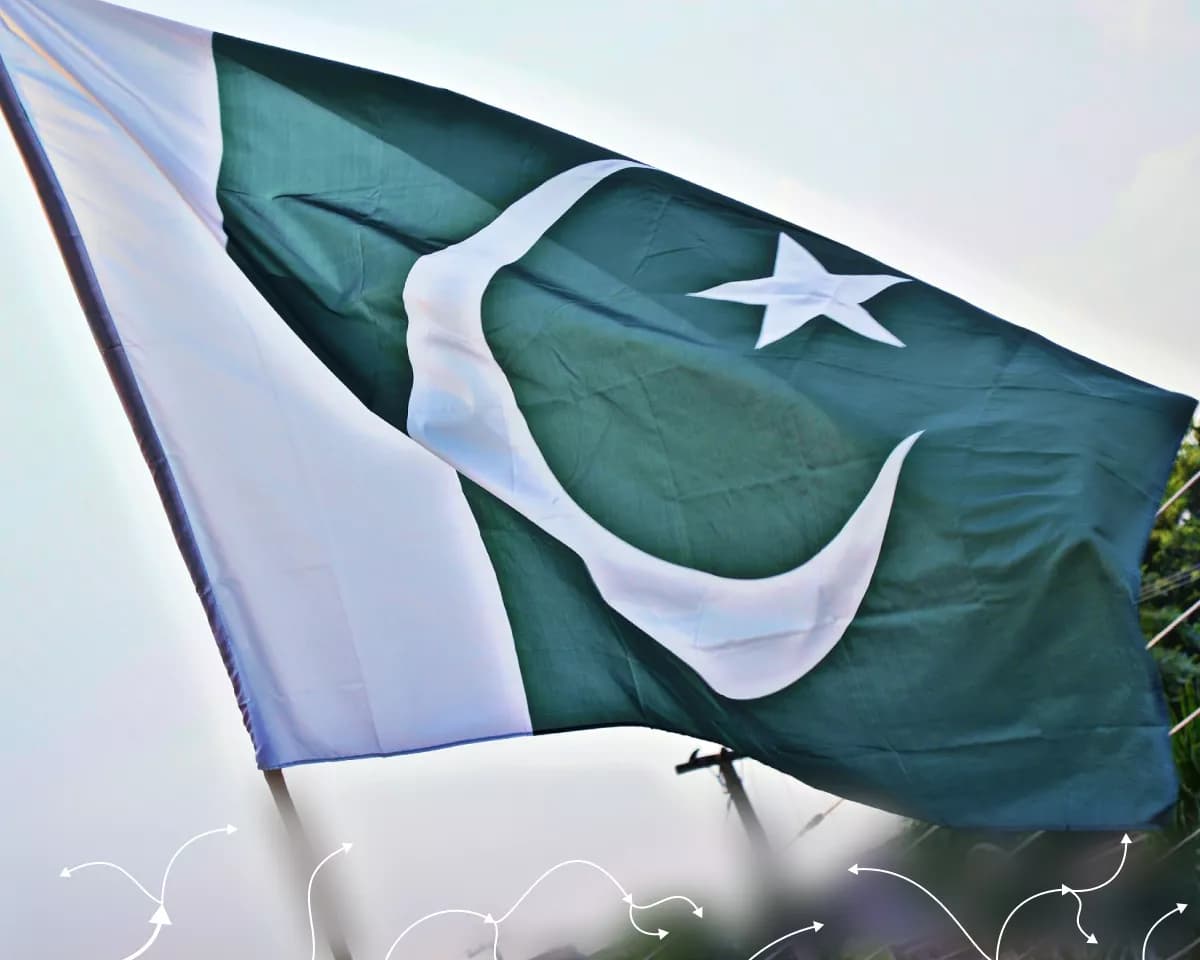
Pakistan's Central Bank Lifts 8-Year Crypto Ban, Allows Banks to Serve Virtual Asset Providers
The State Bank of Pakistan has reversed its eight-year prohibition on crypto-related banking, permitting financial institutions to open accounts for licensed VASPs and their customers while maintaining strict limits on direct crypto involvement.
The State Bank of Pakistan (SBP) has reversed an eight-year prohibition on banks engaging with the cryptocurrency sector. Under a newly issued circular, the country's financial institutions can now open and maintain accounts for registered virtual asset service providers (VASPs) and their customers.
«Pakistan has taken an important step toward formalising its virtual asset ecosystem. Following the enactment of the Virtual Assets Act, 2026, the State Bank of Pakistan has issued BPRD Circular Letter No. 10 of 2026, enabling regulated entities to open and maintain bank accounts…» — Pakistan Virtual Assets Regulatory Authority (@PakistanVARA), original post
Why This Matters
Pakistan is one of the most populous nations in South Asia, with over 230 million people. For eight years, its banks were barred from any involvement with cryptocurrencies. Lifting this restriction gives crypto businesses legal access to the banking infrastructure and allows users to interact with digital assets through conventional financial channels. The SBP's decision aligns with a broader global trend toward formalizing crypto regulation and could attract significant investment into Pakistan's digital asset market.
Banks Face Tight Restrictions Despite New Freedoms
While the ban has been lifted, the central bank has drawn clear boundaries. Banks are permitted only to provide account services — they remain prohibited from investing their own capital or client deposits in virtual assets, trading crypto, or offering custody services.
Crypto firms will be assigned dedicated accounts denominated in Pakistani rupees. These accounts must be kept strictly segregated from any other accounts held by the same companies. Commingling VASP funds with customer assets is explicitly forbidden.
On top of existing anti-money laundering and counter-terrorism financing (AML/CTF) requirements, banks must:
- conduct comprehensive due diligence on each VASP before onboarding;
- update client risk assessment models to account for crypto-specific risks;
- continuously monitor relationships with VASPs;
- report suspicious transactions to Pakistan's financial intelligence unit.
From Near-Total Ban to Comprehensive Regulation
Pakistan's journey toward crypto legalization has been gradual. As recently as 2022, the country was actively discussing a blanket ban on all cryptocurrency usage. Instead, authorities ultimately chose a regulatory path.
In July 2025, the government established the Pakistan Virtual Assets Regulatory Authority (PVARA), a dedicated body responsible for licensing market participants, setting AML standards, and enforcing compliance.
In March 2026, parliament passed the Virtual Assets Act, 2026, creating a comprehensive legal framework for the digital financial sector.
«The Virtual Assets Act, 2026 has been passed by Parliament, marking a major step toward establishing a comprehensive regulatory framework for Pakistan's rapidly growing digital financial sector. The law establishes the Pakistan Virtual Assets Regulatory Authority (PVARA), which…» — Pakistan Virtual Assets Regulatory Authority (@PakistanVARA), original post
International Partnerships and Stablecoin Ambitions
Alongside building its domestic regulatory framework, Pakistan has been actively courting foreign players. The government invited leading global crypto companies to apply for participation in the country's emerging digital economy.
Pakistan also signed a memorandum of understanding with SC Financial Technologies, a company affiliated with World Liberty Financial — the DeFi platform linked to the sons of U.S. President Donald Trump. The partnership aims to explore the use of the USD1 stablecoin for digital payments, including cross-border remittances.
Earlier in 2025, Pakistani authorities allocated 2 GW of electrical capacity for Bitcoin mining operations and AI data centers. Taken together, these initiatives signal a systematic effort to position Pakistan within the global crypto economy.
Frequently Asked Questions
Did Pakistan legalize cryptocurrency?
Pakistan has taken major steps toward legalizing crypto by passing the Virtual Assets Act, 2026 and lifting an eight-year ban on banks serving crypto companies. Banks can now open accounts for registered VASPs, though they cannot trade or hold crypto assets themselves.
Can Pakistani banks trade or hold crypto?
No. Pakistani banks are only allowed to provide account services to licensed virtual asset service providers and their clients. Investing, trading, or custodying virtual assets using the bank's own funds or customer deposits remains strictly prohibited.
What is PVARA in Pakistan?
PVARA stands for Pakistan Virtual Assets Regulatory Authority, established in July 2025. It is responsible for licensing crypto market participants, setting anti-money laundering rules, and ensuring compliance across the virtual asset sector.
What AML rules apply to Pakistani banks dealing with crypto firms?
Banks must conduct full due diligence on each VASP, maintain segregated rupee accounts, update risk assessment models for crypto-related risks, and continuously monitor VASP relationships. Suspicious transactions must be reported to Pakistan's financial intelligence unit.
Is Pakistan involved with Trump-linked crypto projects?
Pakistan signed a memorandum of understanding with SC Financial Technologies, which is affiliated with World Liberty Financial — a DeFi platform linked to the sons of U.S. President Donald Trump. The partnership focuses on exploring the USD1 stablecoin for digital and cross-border payments.
Read also
Stablecoin Transfer Volume Hits $10.5 Trillion in January — Highest Since April 2022
January stablecoin transaction volume surpassed $10.5 trillion, marking the highest monthly figure since April 2022. USDC led transfers while USDT maintained market cap dominance.
TRON Energy Rental: How to Cut USDT Transfer Fees by Up to 60%
USDT issuance on TRON surpassed $85 billion in February 2026, but transfer fees remain steep at $1.83–$3.83 per transaction. Energy rental services like TronZap offer a way to cut costs by 50–60%.
How ERC-8004 and x402 Standards Are Turning AI Agents Into Market Participants
Blockchain standards ERC-8004 and x402 are building the infrastructure for autonomous machine payments, challenging Big Tech's closed ecosystems and the attention economy model.
Bernstein Calls $60,000 a 'Clear Bottom' for Bitcoin, Expects Extended Bull Cycle
Analysts at Bernstein have identified $60,000 as a firm floor for Bitcoin, projecting a structurally longer bull cycle. On-chain data from Glassnode confirms a resurgence of buying activity.
Top 10 Dollar Stablecoins in 2026: From Dominant Players to Exit Candidates
The stablecoin market has surpassed $311 billion in total capitalization. Here's a breakdown of the ten largest USD-pegged stablecoins — from undisputed leaders Tether and Circle to ambitious newcomers.
Weekly Recap: Bitcoin Tests $74K, Miners Dump Holdings, ChatGPT Boycott Grows
Bitcoin briefly touched $74,000 before retreating to $67,500. Public miners sold over 15,000 BTC in five months, traders flocked to Hyperliquid for oil and gold futures, and a ChatGPT boycott gained major traction.