Europol Shuts Down Tycoon 2FA Phishing Platform with Help from Microsoft and Coinbase
Europol, Microsoft, Coinbase and other tech firms dismantled Tycoon 2FA, a major phishing-as-a-service platform responsible for approximately 62% of all phishing attacks blocked by Microsoft.
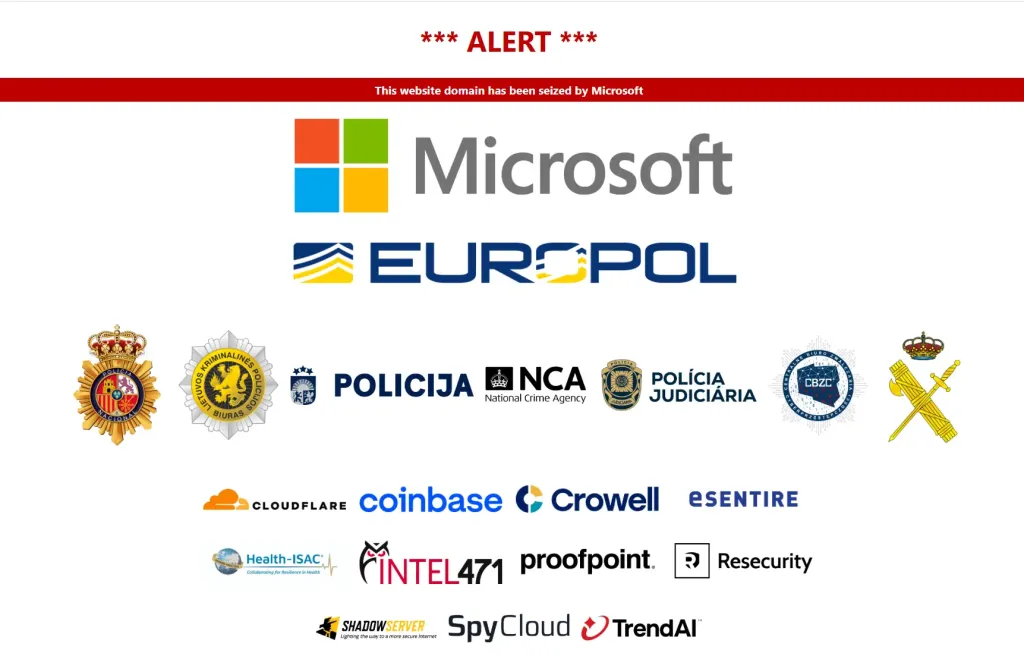
Europol has dismantled Tycoon 2FA, one of the largest phishing-as-a-service platforms, in a joint operation supported by Microsoft, Coinbase, and several other technology companies. The platform was a major distributor of tools designed to steal user credentials and bypass two-factor authentication.
A Massive Threat: 62% of Blocked Phishing Attacks
Tycoon 2FA had been operating since at least August 2023, offering cybercriminals ready-made tools for conducting phishing campaigns. The service enabled the creation of convincing clones of legitimate websites and could intercept 2FA passwords by accessing victims' cookie files.
According to law enforcement data, Tycoon was responsible for approximately 62% of all phishing attacks blocked by Microsoft. This made it one of the most significant nodes in the global cybercrime infrastructure.
Why This Matters
The takedown of Tycoon 2FA highlights the growing effectiveness of public-private partnerships in combating cybercrime. Phishing-as-a-service platforms pose a systemic threat by dramatically lowering the barrier to entry for attackers. Eliminating the largest player in this market could meaningfully reduce the volume of phishing attacks targeting users worldwide.
Coinbase's involvement in the investigation also underscores how blockchain transparency is becoming a powerful tool for law enforcement — on-chain transactions leave trails that can be used to map criminal networks.
How Coinbase and Microsoft Contributed
As part of their collaboration with Europol, the tech firms provided technical expertise and infrastructure analysis. Coinbase published a separate press release detailing its role in the operation.
The crypto exchange traced payment channels that funded Tycoon's operations. According to the company, phishing platforms like Tycoon operate much like illegal SaaS businesses — complete with subscriptions, resellers, customer support, and recurring revenue. A portion of these payments flowed through cryptocurrency, and blockchain transactions created investigative leads that helped link operators, buyers, and related infrastructure.
Coinbase also helped identify the suspected administrator of Tycoon — a Pakistani national named Saad Fridi.
Microsoft filed a civil lawsuit that resulted in the seizure of Tycoon's key domains, effectively cutting off the platform's operational infrastructure.
Next Steps and Broader Context
Coinbase representatives stated they will continue working to hold Tycoon's customers accountable. The company emphasized that when criminals can no longer collect payments and maintain their infrastructure, their "business model" collapses.
The shutdown of Tycoon 2FA aligns with a broader decline in phishing-related losses. According to SlowMist data, the total amount stolen through phishing attacks in 2025 dropped by 83% to $83.85 million.
Frequently Asked Questions
What was Tycoon 2FA phishing platform?
Tycoon 2FA was a phishing-as-a-service platform operating since at least August 2023. It provided cybercriminals with tools to create convincing website clones and intercept two-factor authentication passwords by accessing victims' cookie files.
How was the Tycoon 2FA phishing service shut down?
Europol led the takedown operation with support from Microsoft, Coinbase, and other tech companies. Microsoft filed a civil lawsuit to seize the platform's domains, while Coinbase traced cryptocurrency payment channels and helped identify the suspected administrator.
Who is the suspected operator of Tycoon 2FA?
Coinbase's investigation identified Pakistani national Saad Fridi as the suspected administrator of Tycoon 2FA. His identity was uncovered through blockchain transaction analysis and payment channel tracking.
How significant was Tycoon 2FA in global phishing attacks?
According to law enforcement data, Tycoon was responsible for approximately 62% of all phishing attacks blocked by Microsoft. This made it one of the most impactful phishing-as-a-service platforms globally.
How much did phishing losses decrease in 2025?
According to SlowMist data, funds stolen through phishing attacks in 2025 fell by 83% to $83.85 million. The shutdown of platforms like Tycoon contributes to this downward trend.
Read also
GPU Memory Attacks, $21B in Cybercrime Losses, and Chrome's Chip-Level Protection: Cybersecurity Roundup
The FBI reported record $21 billion in cybercrime losses for 2025, Google introduced hardware-bound session protection in Chrome, and researchers demonstrated three new attack methods targeting Nvidia GPU memory.
Infostealer Targets 700+ Crypto Wallets, Hackers Use Solana as Dead Drop, and UK Sanctions Xinbi
Weekly cybersecurity roundup: Torg Grabber infostealer targets 728 browser-based crypto wallets, GlassWorm campaign hides C2 addresses in Solana blockchain, and the UK imposes sanctions on crypto marketplace Xinbi linked to scam compounds.
AI Audit Uncovers Critical Liveness Bug in Ethereum's Nethermind Client
Octane Security's AI discovered a high-severity vulnerability in the Nethermind execution client that could have halted block production for 38% of Ethereum mainnet validators. The Ethereum Foundation awarded a maximum $50,000 bounty.
How ERC-8004 and x402 Standards Are Turning AI Agents Into Market Participants
Blockchain standards ERC-8004 and x402 are building the infrastructure for autonomous machine payments, challenging Big Tech's closed ecosystems and the attention economy model.
Fake Ledger Live App in Apple's App Store Used to Steal $9.5M in Crypto
A fraudulent Ledger Live app that passed Apple's App Store review was used to siphon over $9.5M in cryptocurrency from more than 50 victims across multiple blockchain networks.
AI Agent Transaction Volume Is 15x Lower Than Bloomberg's Estimates, Says a16z Partner
a16z partner Noah Levine challenged Bloomberg's AI agent payment data, showing actual on-chain volume at $1.6–3M versus the reported $24M.