
12 Major European Banks Team Up to Launch Euro-Pegged Stablecoin via Fireblocks
A consortium of 12 European banks led by Qivalis has selected Fireblocks to build a MiCA-compliant euro stablecoin. Participants include BBVA, BNP Paribas, ING, and UniCredit.
A consortium of 12 European banks, coordinated by Qivalis, has partnered with digital asset infrastructure provider Fireblocks to develop a euro-pegged stablecoin. The token is being built in full compliance with the European Union's Markets in Crypto-Assets (MiCA) regulation, according to Cointelegraph.
Who is behind the initiative
The banking group includes major financial institutions such as BBVA, BNP Paribas, ING, and UniCredit. Fireblocks will supply the technological backbone — tokenization tools, custodial wallets, and compliance infrastructure covering identity verification and sanctions screening.
The stablecoin targets institutional clients and is designed for settlements, treasury management, and operations involving tokenized assets. It will be fully reserved and classified as electronic money under the supervision of the Dutch Central Bank (De Nederlandsche Bank).
The launch is scheduled for the second half of 2026.
Why it matters
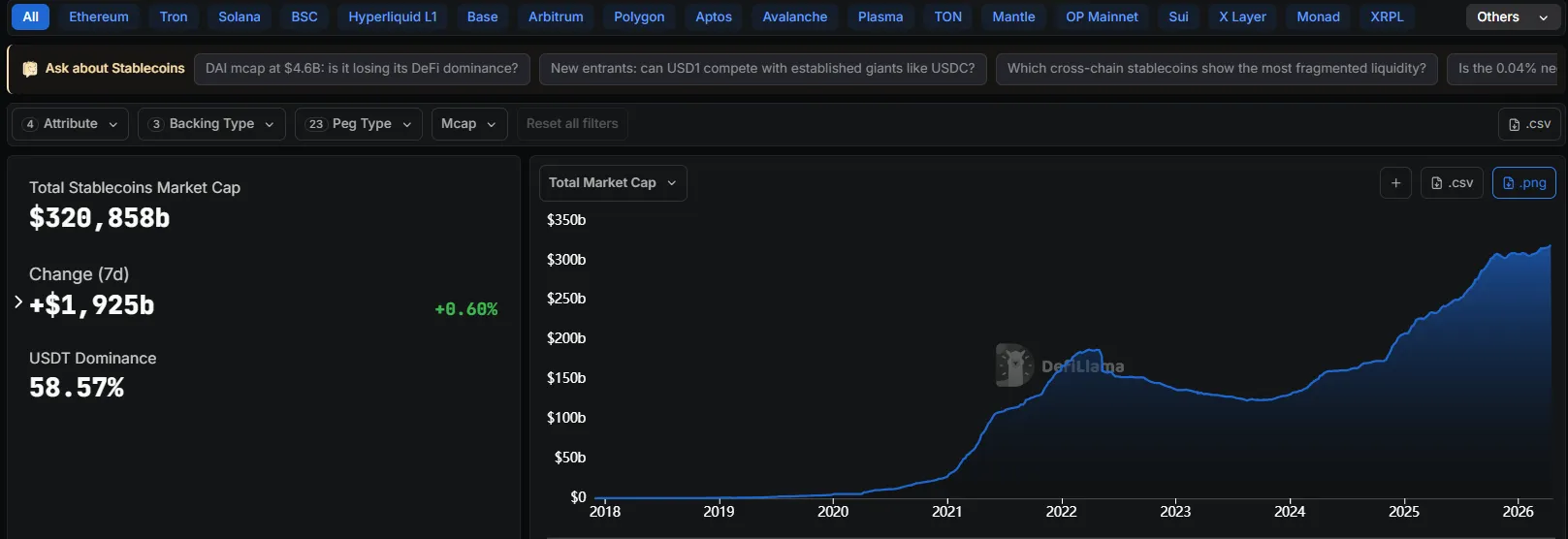
The stablecoin market remains overwhelmingly dollar-denominated. According to DeFiLlama, total stablecoin market capitalization exceeds $320 billion, with 99% of supply tied to the US dollar. The European consortium's initiative represents a direct effort to shift that balance by offering a regulated euro-based alternative.
Fireblocks Chief Strategy Officer Steven Richardson described the project as a regulated instrument for European businesses, intended to replace less reliable alternatives currently available on the market.
Broader context: scrutiny over stablecoin functionality
The euro stablecoin announcement arrives amid growing debate about the actual role of existing stablecoins. In April, the Bank for International Settlements (BIS) warned that many dollar-pegged stablecoins function more as investment vehicles than payment instruments.
The MiCA framework, now in effect across the EU, establishes clear requirements for stablecoin issuers: full reserve backing, licensing, and oversight by national regulators. The Qivalis-led project could become one of the first large-scale implementations of these rules.
With backing from 12 major banks, the token has the potential to build genuine infrastructure for euro-denominated blockchain settlements — a segment that has remained almost entirely unoccupied until now. Whether it can meaningfully challenge the dominance of dollar stablecoins will depend on adoption across European financial markets and DeFi protocols alike.
Frequently Asked Questions
Which banks are behind the euro stablecoin?
The consortium includes 12 European banks, among them BBVA, BNP Paribas, ING, and UniCredit. The project is coordinated by Qivalis with Fireblocks providing the technology platform.
When will the European euro stablecoin launch?
The stablecoin is scheduled for release in the second half of 2026. It will operate under the supervision of the Dutch Central Bank and comply with MiCA regulations.
Why do European banks want a euro-pegged stablecoin?
Currently 99% of the $320+ billion stablecoin market is dollar-denominated. A euro stablecoin aims to provide a regulated alternative for institutional use cases including settlements and treasury management.
What is MiCA and how does it affect this stablecoin?
MiCA (Markets in Crypto-Assets) is the EU's regulatory framework for crypto assets. It requires stablecoin issuers to maintain full reserves, obtain proper licensing, and submit to oversight by national regulators.
What technology powers the euro stablecoin?
Fireblocks provides the core infrastructure including tokenization tools, custodial wallets, and compliance solutions covering identity verification and sanctions screening.
Read also
Stablecoin Transfer Volume Hits $10.5 Trillion in January — Highest Since April 2022
January stablecoin transaction volume surpassed $10.5 trillion, marking the highest monthly figure since April 2022. USDC led transfers while USDT maintained market cap dominance.
TRON Energy Rental: How to Cut USDT Transfer Fees by Up to 60%
USDT issuance on TRON surpassed $85 billion in February 2026, but transfer fees remain steep at $1.83–$3.83 per transaction. Energy rental services like TronZap offer a way to cut costs by 50–60%.
Bloomberg and Kaiko Partner to Bring Financial Data On-Chain via Canton Network
Bloomberg and Kaiko have partnered to bring institutional-grade financial data on-chain through Canton Network, starting with tokenized US Treasuries and repo operations.
How ERC-8004 and x402 Standards Are Turning AI Agents Into Market Participants
Blockchain standards ERC-8004 and x402 are building the infrastructure for autonomous machine payments, challenging Big Tech's closed ecosystems and the attention economy model.
Bernstein Calls $60,000 a 'Clear Bottom' for Bitcoin, Expects Extended Bull Cycle
Analysts at Bernstein have identified $60,000 as a firm floor for Bitcoin, projecting a structurally longer bull cycle. On-chain data from Glassnode confirms a resurgence of buying activity.
Weekly Recap: Bitcoin Tests $76K, SEC Greenlights Tokenized Stocks on Nasdaq
Bitcoin briefly touched $76,000 before retreating to $68,800. The SEC approved tokenized stock trading on Nasdaq, while mining difficulty dropped 7.76% amid growing miner losses.