Bitcoin Slips Below $71,000 as Trump Announces Hormuz Strait Blockade After Iran Talks Collapse
 BinanceEXCHANGE
The collapse of US-Iran negotiations in Islamabad and Trump's announcement of a Hormuz Strait shipping blockade sent Bitcoin down 1.4% to around $70,700, while oil futures surged 7%.
Geopolitical Shock Hits Crypto Markets
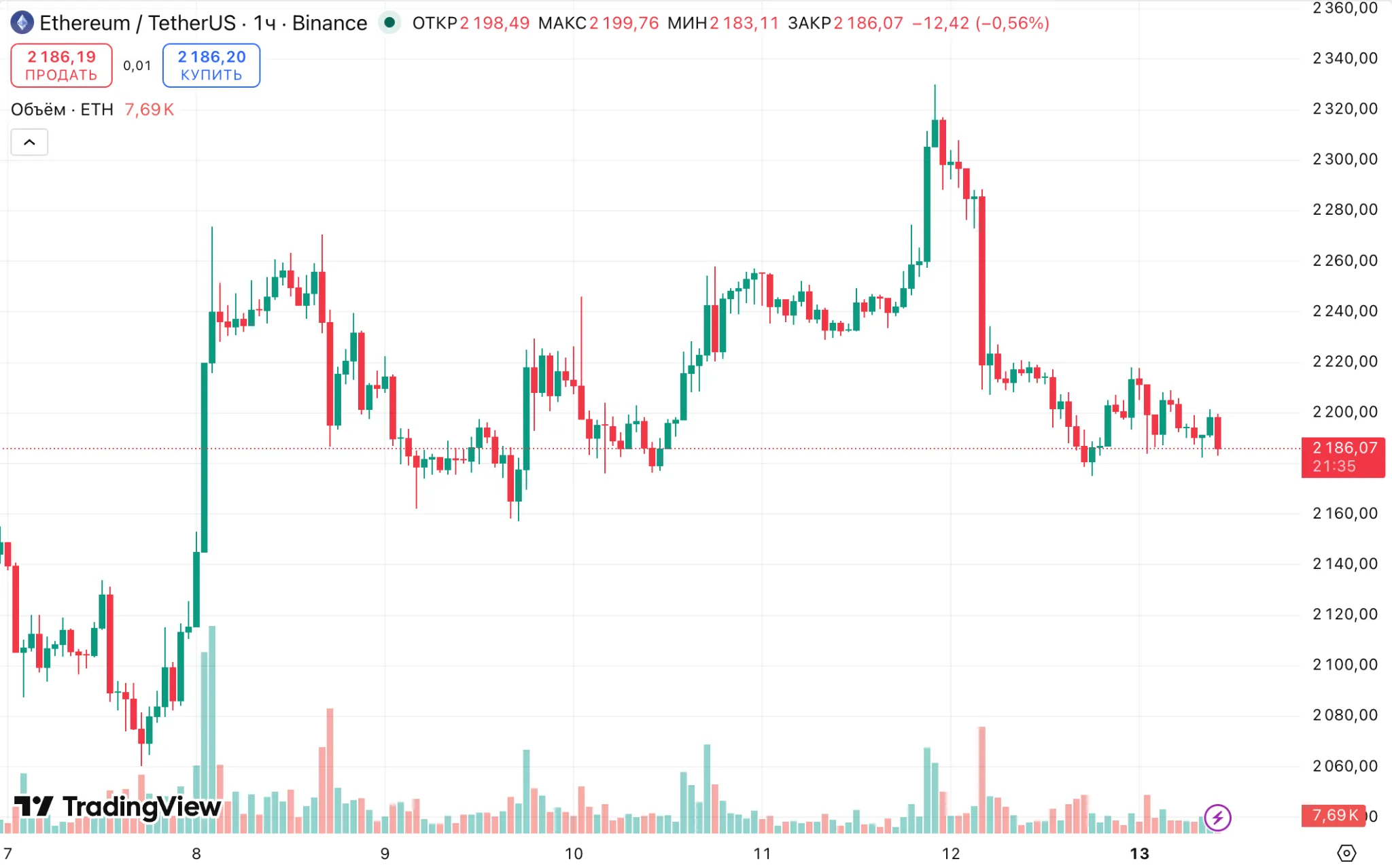
Bitcoin fell below the $71,000 level amid a sharp escalation in US-Iran tensions. The leading cryptocurrency lost 1.4% over the past 24 hours, trading near $70,700 at the time of writing.
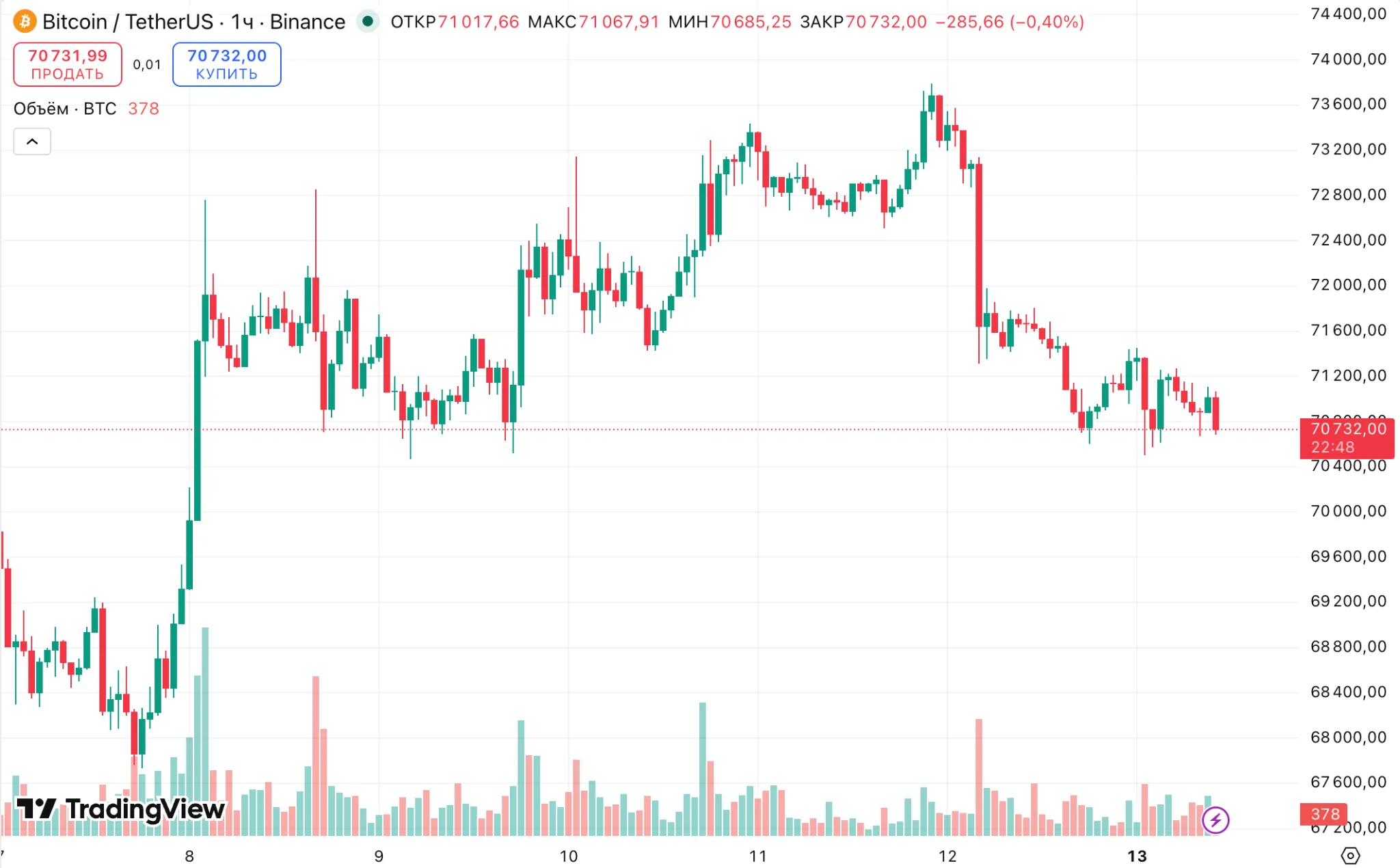
Ethereum mirrored the decline, dropping 1.5% to $2,180.
Why This Matters
The Strait of Hormuz is one of the world's most critical chokepoints for oil shipping. A blockade directly impacts global energy prices and risk appetite across all financial markets. Rising oil costs fuel inflation expectations, putting downward pressure on risk assets including cryptocurrencies.
Diplomatic Failure and the Hormuz Blockade
On April 11, US and Iranian delegations met in Islamabad for talks that ultimately ended without agreement. BTC Markets analyst Rachael Lucas noted the failure triggered a broad exodus from risk assets.
"13th April 2026 Daily crypto wrap: Geopolitical headlines dominated crypto markets today as US-Iran peace talks in Islamabad collapsed after 21 hours, triggering a sharp risk-off move. Bitcoin pulled back from near US$74,000 to around US$70,500 following President Trump's…" — Rachael (@Rachael_M_Lucas), original post
US Vice President JD Vance blamed Tehran for refusing to accept the proposed terms, while Iranian officials called Washington's demands "unreasonable."
Following the diplomatic breakdown, President Donald Trump announced a shipping blockade of the Strait of Hormuz effective April 13, targeting all vessels entering or leaving Iranian ports. According to WSJ, the plan aims to cut off Iran's oil export capabilities entirely. Trump and his advisors are also reportedly discussing renewed military strikes against Iran.
Oil markets reacted swiftly: WTI futures jumped 7% to $103, while Brent contracts climbed 6.7% to $101.
Institutional Foundation Remains Solid
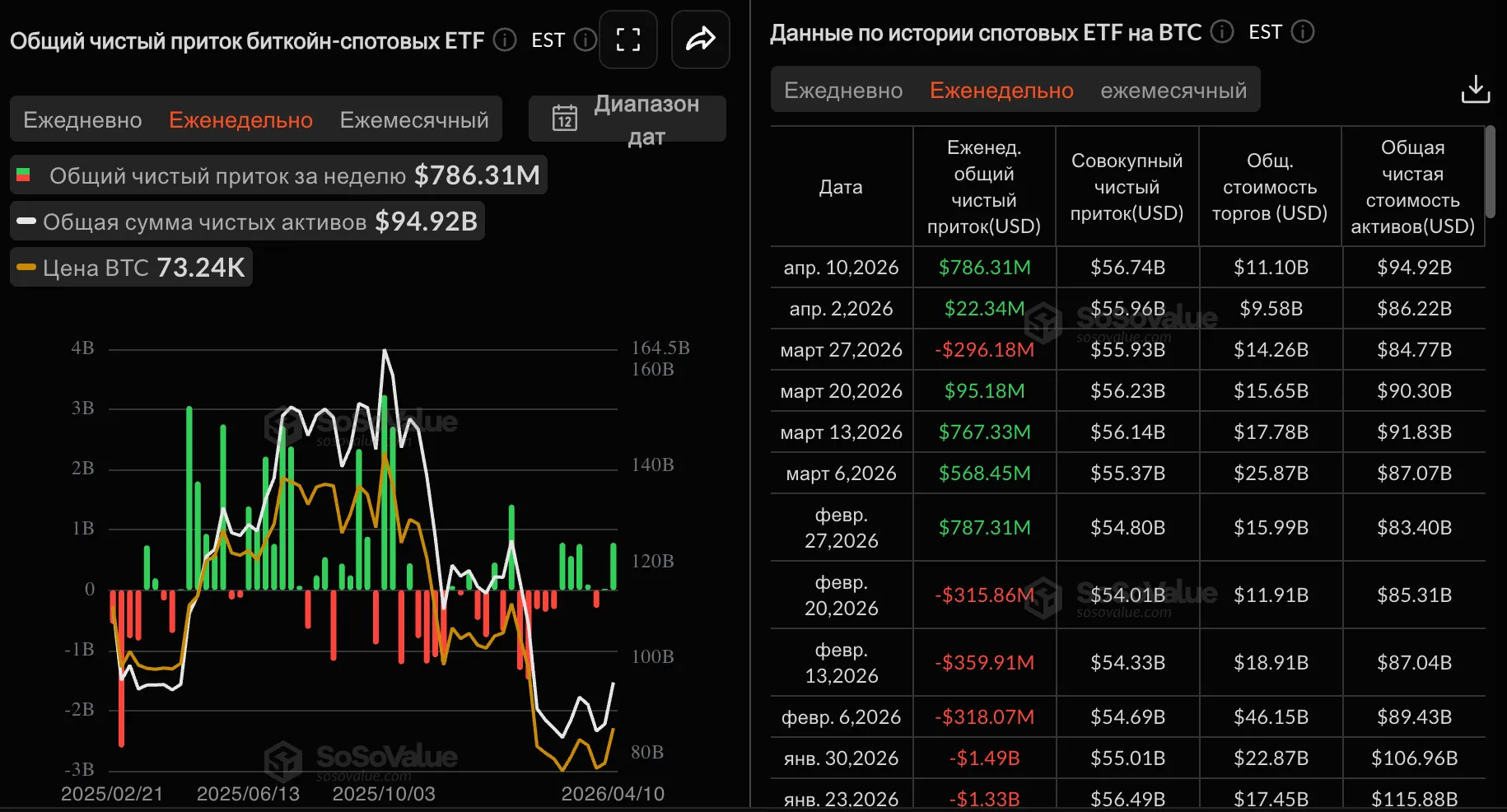
Despite the short-term pullback, Lucas highlighted that institutional demand remains intact. Spot Bitcoin ETFs recorded their strongest weekly inflow since February.
Exodus CEO JP Richardson pointed out that financial institutions have been accelerating their crypto market presence this year, even as retail investors have been exiting.
"This might be the first cycle in crypto history where institutions are in a bull market and retail doesn't even know it. Stablecoins at $319B. Morgan Stanley launched a Bitcoin ETF. Schwab opened a waitlist for spot bitcoin trading. Franklin Templeton announced a crypto…" — JP Richardson (@jprichardson), original post
Richardson cited several milestones of institutional adoption: stablecoin market capitalization reaching $319 billion, Morgan Stanley launching a Bitcoin ETF, Schwab opening a waitlist for spot Bitcoin trading, Franklin Templeton establishing a crypto division, and Fannie Mae offering mortgage loans collateralized by digital assets.
He noted that in the 2018 and 2022 cycles, institutional players exited alongside retail. This time, they stayed and increased their involvement.
MN Fund founder Michaël van de Poppe echoed this assessment.
"It's super clear that retail isn't interested in #Crypto. Almost everyone has a hard time paying their bills on a monthly basis. And then spending that amount of money in such a volatile asset? Hell no. That's why this cycle won't be the retail cycle. It's the institutional…" — Michaël van de Poppe (@CryptoMichNL), original post
Van de Poppe argued that with most people struggling to cover monthly expenses, investing in volatile assets is simply not an option. He believes this cycle is institutional in nature and will therefore last longer than previous ones.
Earlier reports indicated that small Bitcoin investor activity fell to its lowest level since 2017 at the start of April.
Frequently Asked Questions
Why did Bitcoin drop below $71,000 in April 2026?
Bitcoin fell 1.4% to around $70,700 after US-Iran peace talks in Islamabad collapsed and President Trump announced a blockade of the Strait of Hormuz starting April 13. The geopolitical escalation triggered a broad risk-off move across financial markets.
How does the Hormuz Strait blockade affect crypto prices?
The blockade sent oil prices surging — WTI jumped 7% to $103 and Brent rose 6.7% to $101. Higher energy prices increase inflation expectations, reducing investor appetite for risk assets including cryptocurrencies.
Are institutional investors still buying Bitcoin in 2026?
Yes, institutional demand remains strong despite the short-term correction. Spot Bitcoin ETFs recorded their strongest weekly inflow since February 2026. Morgan Stanley launched a Bitcoin ETF and Schwab opened a waitlist for spot Bitcoin trading.
What is the institutional crypto cycle?
According to Exodus CEO JP Richardson and analyst Michaël van de Poppe, this cycle is driven by institutional players while retail investors are leaving the market. Unlike the 2018 and 2022 downturns, institutions have stayed and increased their crypto exposure through ETFs, stablecoins, and new financial products.
What happened to Ethereum price during the Iran crisis?
Ethereum dropped 1.5% to $2,180 alongside Bitcoin's decline. The selloff reflected broader risk aversion triggered by the collapse of US-Iran negotiations and the threat of a Hormuz Strait blockade.
Read also
Institutional Investors Dump ETF Shares Worth 25,000 BTC During Market Crash
Institutional investors massively sold Bitcoin ETF positions in Q4 2025, offloading shares equivalent to 25,098 BTC during the crypto market correction.
Bitcoin Hits $70,000 as Iran Ceasefire Talks Boost Risk Appetite
Bitcoin surged 4% to test the $70,000 level on April 6 amid reports of ceasefire negotiations between the US, Israel, and Iran. The derivatives market, however, sends mixed signals.
Bitcoin Rebounds to $70,000 as Leverage Drops and ETF Inflows Continue
BTC recovered above $70,000 on March 10, erasing weekend losses. Spot ETFs attracted $568M in weekly inflows while the estimated leverage ratio on Binance fell sharply from 0.198 to 0.152.
Bitcoin Down 2.5% Weekly: Jane Street Accusations & 7 Ethereum Forks
Bitcoin lost ~2.5% over the week amid macro shocks and geopolitical tensions. Jane Street faced market manipulation allegations while Ethereum unveiled an ambitious seven hard fork roadmap through 2029.
TON Wallet Introduces Yield Vaults for BTC, ETH, and USDT Directly in Telegram
TON Wallet has launched yield vaults for BTC, ETH, and USDT directly within Telegram, offering up to 18% APY on stablecoins through partnerships with Morpho, TAC, and Re7.
Weekly Recap: Aave Ecosystem Rescue Mobilizes 100,000 ETH and Quantum Computer Cracks 15-Bit ECC Key
Bitcoin held near $78,000, the DeFi community rallied over 100,000 ETH to help Aave recover from the Kelp hack, and a researcher cracked a 15-bit ECC key on a quantum computer.