
Succinct Labs Launches ZCAM — an iPhone App That Cryptographically Proves Photos and Videos Are Real
Paradigm-backed startup Succinct Labs has released ZCAM, an iPhone camera app that cryptographically signs media at the moment of capture to combat AI-generated fakes.
ZCAM: A Cryptographic Camera to Combat Deepfakes
Succinct Labs, a startup backed by Paradigm, has launched ZCAM — an iPhone application that cryptographically signs photographs and videos at the exact moment of capture, creating a tamper-proof record of content authenticity.
«Today, we're launching ZCAM, an iPhone camera app to Prove What's Real. ZCAM cryptographically signs photos and videos at the moment of capture. Anyone can independently verify the content came from a real device and hasn't been altered or AI-generated.» — Succinct (@SuccinctLabs), original post
The app generates an immutable record that ties each media file to the specific device used to capture it. Anyone can independently verify whether a photo or video came from a real device and was not generated or altered using AI tools.
Why This Matters
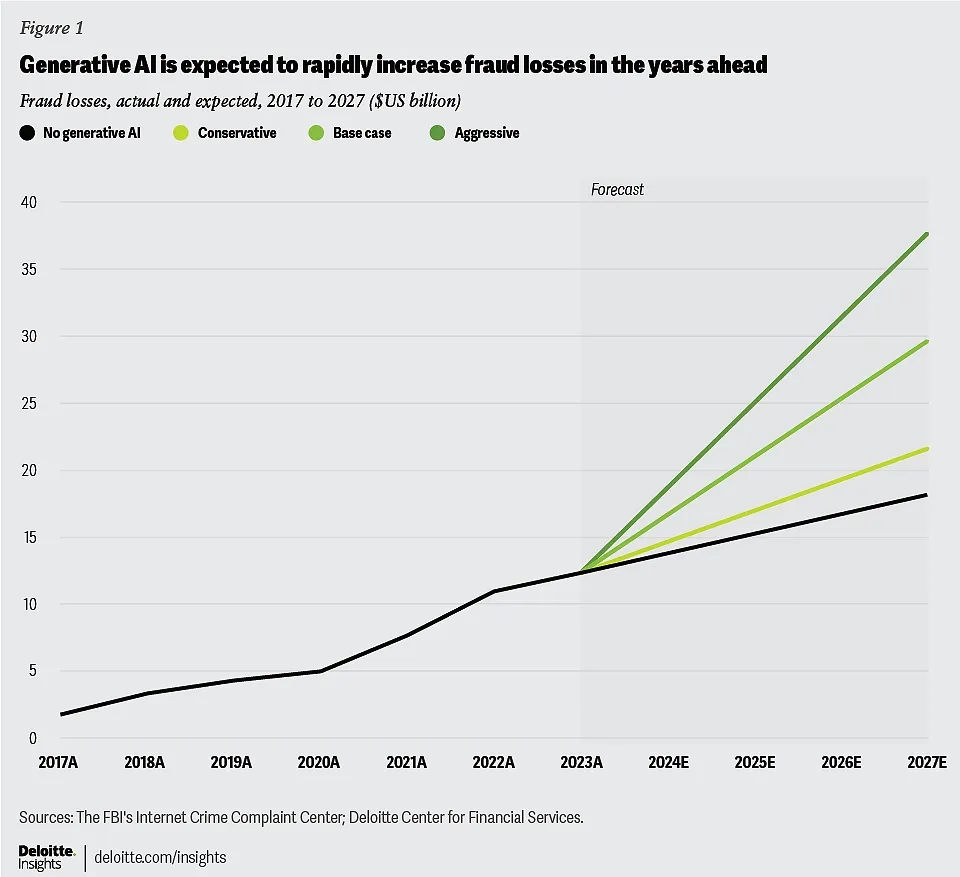
Generative AI capabilities are advancing rapidly, and with them comes the growing threat of widespread fake visual content. The Succinct team cited Deloitte projections showing that AI-enabled fraud losses in the United States could rise from $12.3 billion in 2023 to $40 billion by 2027. Against this backdrop, cryptographic media verification tools are becoming increasingly critical.
How ZCAM Technology Works
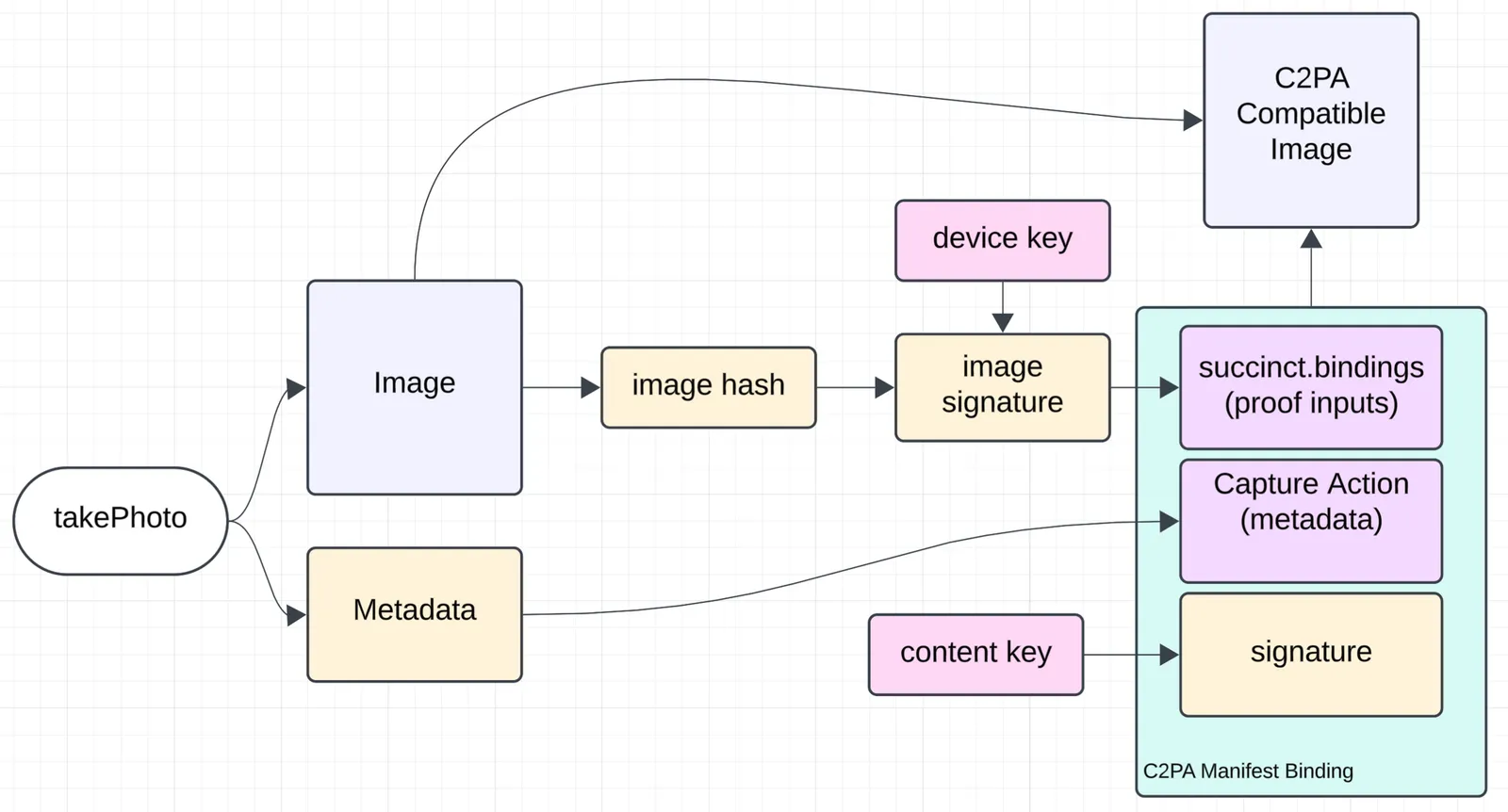
At its core, ZCAM relies on a cryptographic fingerprint. When a user takes a photo or records video through the app, it generates a hash based on the captured pixels. According to Succinct's developers, this approach is more reliable than commercial deepfake detectors, which can produce inaccurate results.
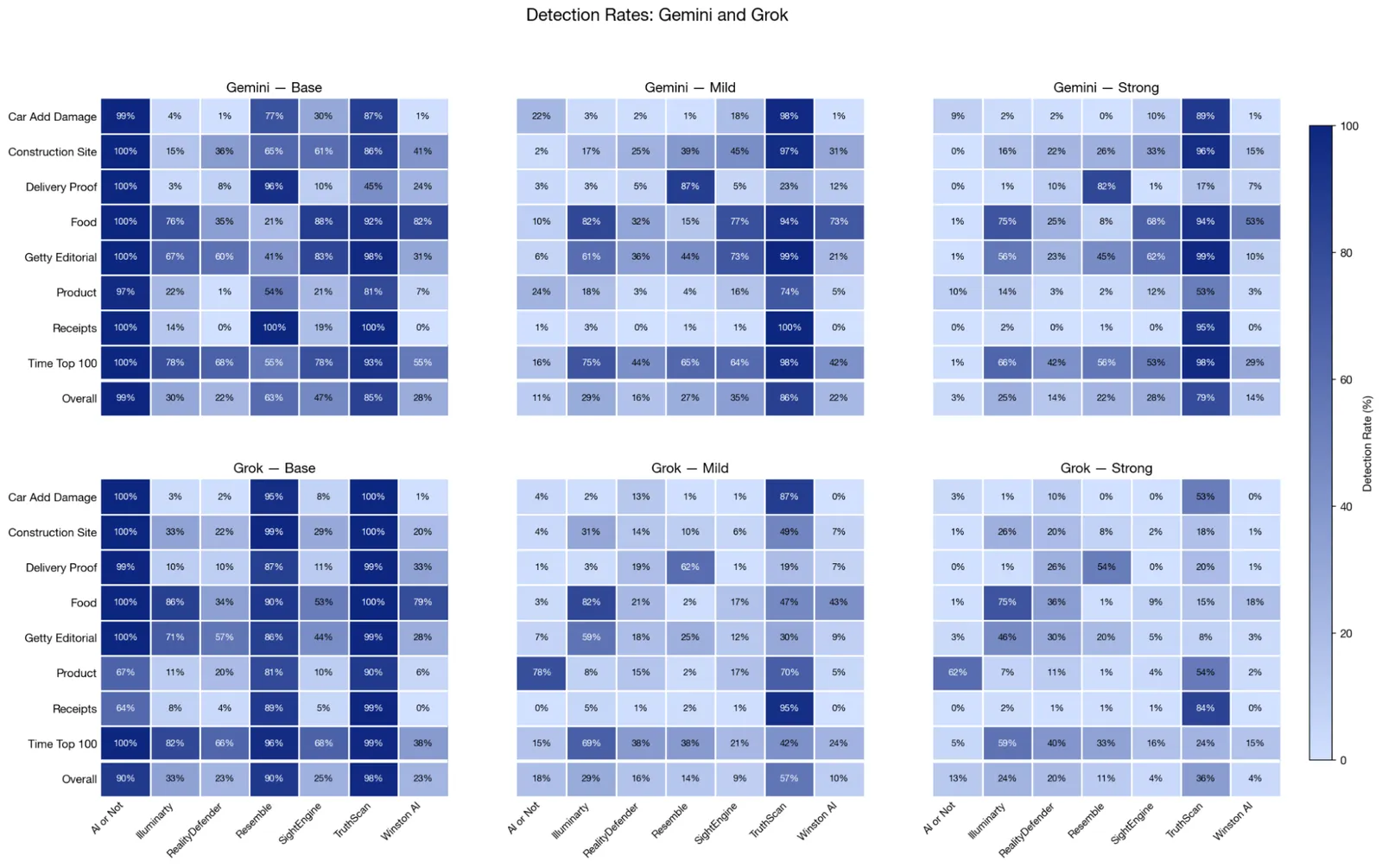
Succinct conducted its own research demonstrating that existing detectors perform reasonably well with unmodified images. However, even basic edits like blurring and compression reduced their accuracy to 96%.
The Team Behind ZCAM
Succinct Labs builds infrastructure for zero-knowledge proofs. In 2024, the company raised $55 million in a funding round led by Paradigm, with participation from the founders of Polygon and EigenLayer.
Succinct's SP1 zkVM technology secures over $4 billion in digital assets. In August 2025, the startup launched the Succinct Prover Network mainnet alongside the PROVE token. The project's blockchain operates as a decentralized marketplace within the Ethereum ecosystem — applications submit requests for zero-knowledge proof generation, and independent operators compete to fulfill them.
The release of ZCAM signals a broadening of ZK-technology applications beyond purely financial use cases into media content verification — a domain where demand for authenticity continues to grow alongside the capabilities of generative AI.
Frequently Asked Questions
What is ZCAM by Succinct Labs?
ZCAM is an iPhone camera app that cryptographically signs photos and videos at the moment of capture. It creates a tamper-proof record linking content to the specific device used, allowing anyone to verify media authenticity.
How does ZCAM verify photo authenticity?
The app generates a cryptographic hash based on captured pixels at the time of recording. This hash serves as a fingerprint that anyone can independently check to confirm the content came from a real device and wasn't AI-generated or altered.
Who is behind Succinct Labs funding?
Succinct Labs raised $55 million in a funding round led by Paradigm in 2024. The founders of Polygon and EigenLayer also participated in the round.
What is the PROVE token from Succinct?
PROVE is a token launched alongside the Succinct Prover Network mainnet in August 2025. The network functions as a decentralized marketplace on Ethereum where applications request zero-knowledge proofs and independent operators compete to generate them.
Why are commercial AI deepfake detectors unreliable?
According to Succinct's research, commercial detectors perform adequately on unmodified images but their accuracy drops to 96% with simple edits like blurring and compression. ZCAM's cryptographic approach addresses this by verifying authenticity at the point of capture.
Read also
Bitcoin Down 2.5% Weekly: Jane Street Accusations & 7 Ethereum Forks
Bitcoin lost ~2.5% over the week amid macro shocks and geopolitical tensions. Jane Street faced market manipulation allegations while Ethereum unveiled an ambitious seven hard fork roadmap through 2029.
AI Audit Uncovers Critical Liveness Bug in Ethereum's Nethermind Client
Octane Security's AI discovered a high-severity vulnerability in the Nethermind execution client that could have halted block production for 38% of Ethereum mainnet validators. The Ethereum Foundation awarded a maximum $50,000 bounty.
TON Wallet Introduces Yield Vaults for BTC, ETH, and USDT Directly in Telegram
TON Wallet has launched yield vaults for BTC, ETH, and USDT directly within Telegram, offering up to 18% APY on stablecoins through partnerships with Morpho, TAC, and Re7.
Bitcoin Hits $70,000 as Iran Ceasefire Talks Boost Risk Appetite
Bitcoin surged 4% to test the $70,000 level on April 6 amid reports of ceasefire negotiations between the US, Israel, and Iran. The derivatives market, however, sends mixed signals.
Bitcoin Rebounds to $70,000 as Leverage Drops and ETF Inflows Continue
BTC recovered above $70,000 on March 10, erasing weekend losses. Spot ETFs attracted $568M in weekly inflows while the estimated leverage ratio on Binance fell sharply from 0.198 to 0.152.
Bitcoin Drops Below $67,000 as Ethereum Foundation Unveils Quantum Defense Roadmap
Bitcoin lost 3% over the week amid Middle East tensions and ETF outflows, miner activity hit historic lows, and Ethereum Foundation outlined a four-hardfork plan for quantum resistance by 2029.