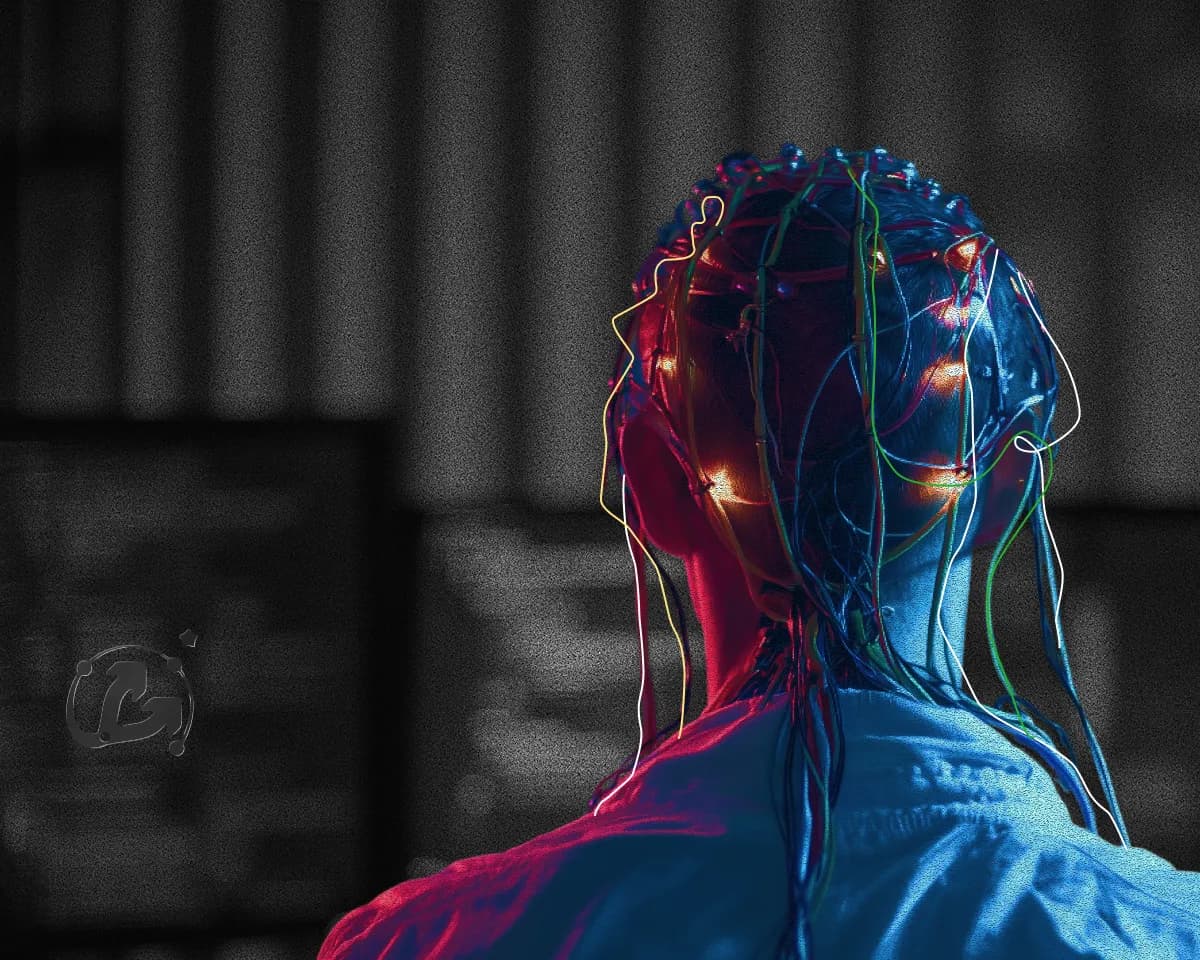
Paralyzed Musician Creates Music Using Brain-Computer Interface
Galen Buckwalter, a brain-computer interface user, has learned to generate music through neural signals and already incorporated the results into a track by his punk rock band.
Brain-Computer Interface Turns Neural Activity Into Sound
Galen Buckwalter, a member of the Los Angeles punk rock band Siggy, has learned to create music using a brain-computer interface (BCI). He shared his experience in an interview with Wired.
Buckwalter collaborates with Caltech graduate student Sean Darcy, who developed an algorithm that converts neural signals into audio. Some of the generated sound fragments have already been used in Siggy's track Wirehead.
How Thought-Powered Music Generation Works
The process relies on identifying neurons that the patient can consciously control. Each of these neurons is assigned a specific tone. When the cell activates, the pitch rises. Currently, Buckwalter can produce two tones simultaneously.
Sound is triggered when a neuron's activity exceeds a set threshold. To initiate it, Buckwalter simply thinks about movement. Stopping the sound requires more intense concentration.
Buckwalter explained that the idea emerged before his implant surgery, after he watched a YouTube video showing electrodes attached to mushrooms producing audible sounds. That sparked his curiosity about what his own brain might sound like. Sean Darcy subsequently built software capable of translating thought into sound control.
Looking ahead, Buckwalter envisions a full DJ console inside his head — one capable of building rhythms and layering melodies.
Why This Matters
This case illustrates how brain-computer interfaces are expanding beyond medical rehabilitation into creative expression. BCI technology already enables computer control and tactile feedback restoration. Music generation opens a new frontier for people living with severe physical disabilities.
Buckwalter has quadriplegia resulting from a diving accident at age 16. In 2024, he underwent brain surgery to receive a BCI as part of a Caltech research program. His brain houses six chips made by Blackrock Neurotech, which read neuron activity and decode the patient's intentions.
BCI Users and Digital Art
Buckwalter is not the only BCI user exploring creative applications. In 2023, at an American Association for the Advancement of Science exhibition in Washington, three other implant users — Nathan Copeland, James Johnson, and Jan Scheuermann — presented their digital artworks.
BCI technology continues to advance in other areas as well. In March 2025, a team led by Professor Xu Guanghua demonstrated a method for controlling a robotic dog through thought.
Frequently Asked Questions
How does a paralyzed person make music with a brain-computer interface?
Scientists identify neurons the patient can consciously control and assign each a specific tone. When neural activity exceeds a threshold — triggered by thinking about movement — sound is produced. Buckwalter can currently play two tones simultaneously.
What BCI chips does Galen Buckwalter use?
Buckwalter has six chips made by Blackrock Neurotech implanted in his brain. These chips read neuron activity and decode the patient's movement intentions, enabling computer control, tactile feedback, and now music creation.
Who developed the software that turns thoughts into music?
The algorithm was developed by Sean Darcy, a graduate student at Caltech. The software transforms neural signals into audio fragments that Buckwalter incorporates into music for his punk rock band Siggy.
What song features music created by a brain-computer interface?
Buckwalter's band Siggy used BCI-generated audio fragments in their track called Wirehead. The sounds were produced directly from Buckwalter's neural activity through the interface.
Can brain-computer interfaces be used for art and creative purposes?
Yes. In addition to Buckwalter's music, other BCI users have created digital art. In 2023, Nathan Copeland, James Johnson, and Jan Scheuermann presented their works at an American Association for the Advancement of Science exhibition in Washington.
Read also
Science Corporation Prepares Human Trials for Biohybrid Brain-Computer Chip
Science Corporation, founded by former Neuralink president Max Hodak, has recruited a Yale neurosurgeon to prepare first-in-human trials of a biohybrid brain-computer interface that merges lab-grown neurons with electronics.
China Approaches Brain-Computer Interface Breakthrough: Key Takeaways From ZGC Forum 2026
At Beijing's ZGC Forum, developers showcased cutting-edge brain-computer interface products including Beinao-1 and Beinao-2 systems. Experts predict mass BCI adoption in China within 3–5 years.
Chinese Scientists Develop Neuro-Helmet for Mind-Controlled Robot Dog
Researchers at Xi'an Jiaotong University have built a non-invasive brain-computer interface that lets users control a robot dog with their thoughts, achieving over 95% command recognition accuracy.
Brain Implant Lets Paralyzed Man Type 80% Faster Than Average
A brain-computer interface decoding imagined finger movements enabled a paralyzed ALS patient to type at 110 characters per minute — 80% faster than the average healthy person.
Samsung Chip Division Profit Surges 48x Amid AI Infrastructure Boom
Samsung's semiconductor unit posted record operating profit in Q1, surging 48-fold and far exceeding analyst estimates as AI infrastructure spending drives unprecedented demand for memory chips.
Alphabet Posts $94.7B Q1 Revenue Beating Estimates Amid AI-Driven Growth
Google's parent company Alphabet reported Q1 2026 revenue of $94.7 billion, surpassing Wall Street forecasts, with its cloud division and AI integration fueling a strong beat across all metrics.