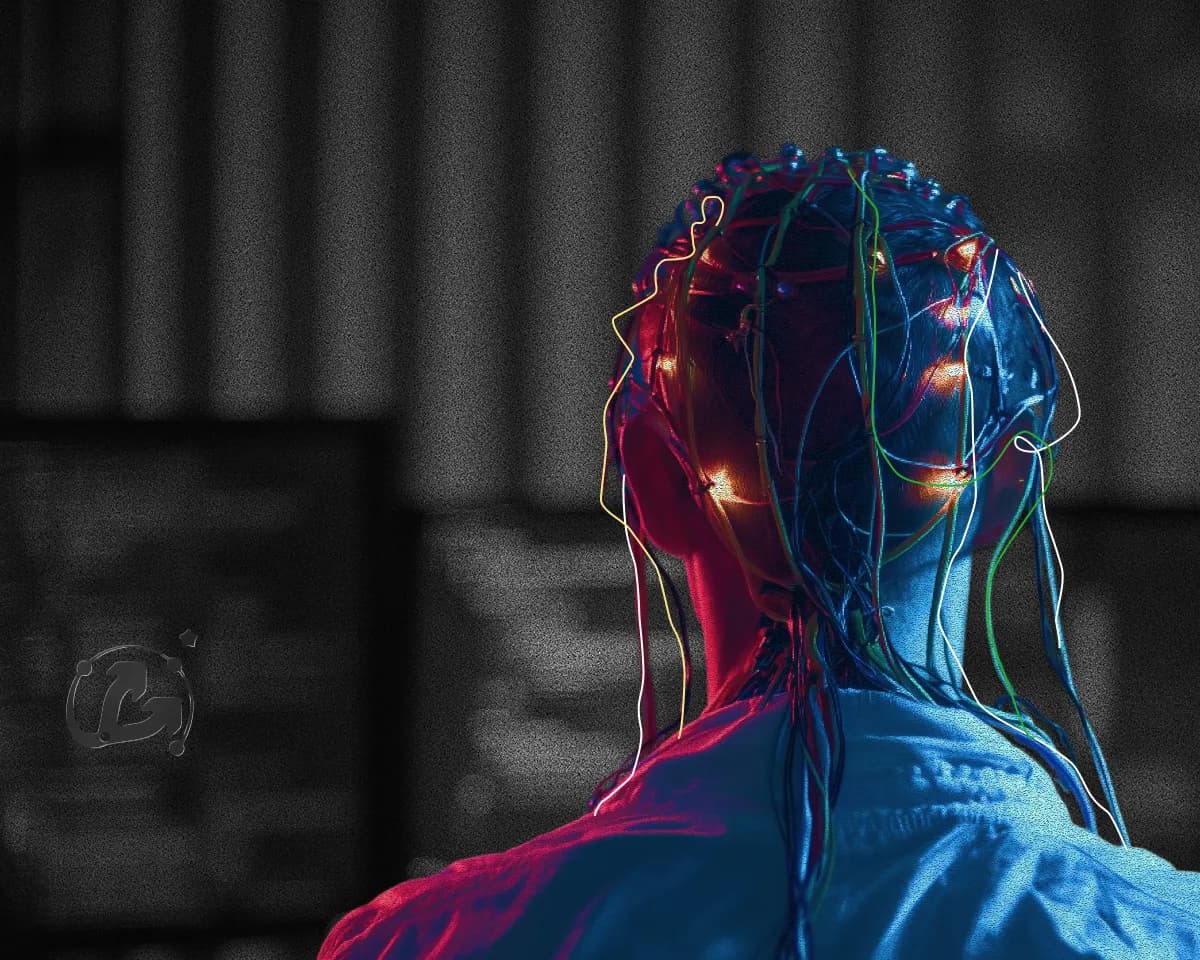
Science Corporation Prepares Human Trials for Biohybrid Brain-Computer Chip
Science Corporation, founded by former Neuralink president Max Hodak, has recruited a Yale neurosurgeon to prepare first-in-human trials of a biohybrid brain-computer interface that merges lab-grown neurons with electronics.
Yale Neurosurgeon Joins Science Corporation's BCI Push
Science Corporation, the startup founded by former Neuralink president and co-founder Max Hodak, has brought on leading neurobiologist Murat Günel to spearhead preparations for human clinical trials of a biohybrid brain-computer interface (BCI). The news was reported by TechCrunch.
Günel, who chairs the Department of Neurosurgery at the Yale School of Medicine, has joined as a scientific advisor following two years of negotiations. The immediate objective is to surgically place the first sensor into a human brain — a sensor that will eventually form the foundation of an interface combining lab-grown neurons with electronic components.
Why This Matters
Brain-computer interfaces stand at a critical inflection point. Neuralink and other organizations have demonstrated that electronic sensors can track brain activity, enabling BCI users to control computers or type words on screen through thought alone. Yet Hodak views the conventional approach — invasive metal electrodes — as fundamentally flawed. Over time, metallic implants damage surrounding tissue and degrade in performance.
Science Corporation's biohybrid approach represents a potential paradigm shift: instead of forcing electronics directly into neural tissue, the company proposes growing neurons in a lab that naturally integrate with the patient's own brain cells, creating an organic bridge between biology and technology. Commercialization of BCI devices, however, remains challenging due to regulatory hurdles and the relatively small patient population.
$230 Million Funding Round and the PRIMA Device
Science Corporation was founded in 2021. Last month, the company closed a $230 million Series C round at a $1.5 billion valuation. Its flagship product is PRIMA, a device designed to restore vision for people who have lost their sight due to macular degeneration or similar conditions. Science acquired the technology in 2024 and plans to expand its availability in Europe pending regulatory approval.
Hodak has set ambitious long-term goals for the startup: establishing reliable communication channels between computers and the human brain to treat severe medical conditions, and eventually expanding human capabilities — potentially even adding entirely new senses.
How the Biohybrid Sensor Works
Co-founder and Chief Scientific Officer Alan Mardinly leads the biohybrid sensor development with a team of 30 researchers. The final version of the device will incorporate neurons cultivated in the lab. These nerve cells are engineered to naturally form connections with the patient's existing brain neurons, creating a biological bridge between living tissue and electronics. The lab-grown neurons can be stimulated using pulses of light.
Günel described the concept of using natural neuronal connections to build a biological interface between electronics and the human brain as "brilliant."
Science Corporation published results from successful mouse trials of the underlying technology in 2024. Current efforts focus on building prototypes and developing cell cultivation methods that meet rigorous medical standards. Simultaneously, the team is in discussions with institutional review boards that oversee human experimentation.
A Different Approach Than Neuralink
While Neuralink implants its neural interfaces directly into brain tissue, Science Corporation places its device on the surface of the brain beneath the skull. This approach is considered lower-risk for patients.
The team plans to identify suitable candidates who are already scheduled for major neurosurgery — for example, stroke patients who require removal of a skull section to reduce brain swelling. Günel has proposed placing the sensor on the cortical surface to evaluate real-world safety and the quality of neural activity readings.
The first phase will involve testing an upgraded sensor without embedded neurons inside a living human brain.
Potential Medical Applications
If trials prove successful, the BCI system could serve multiple therapeutic purposes. Among the earliest applications would be gentle electrical stimulation of damaged brain or spinal cord cells to promote recovery. More advanced use cases include monitoring neurological activity in tumor patients, giving medical staff advance warning of impending seizures.
Looking further ahead, the technology could potentially be applied to slowing the progression of Parkinson's disease.
According to Günel, under an optimistic scenario, clinical trials of the device could begin in 2027.
Frequently Asked Questions
What is Science Corporation's biohybrid brain-computer interface?
It is a next-generation BCI that integrates lab-grown neurons with electronic components. The neurons are designed to naturally connect with the patient's brain cells, forming an organic bridge between biology and technology. They can be stimulated using light pulses.
When will Science Corporation start human trials?
According to scientific advisor Murat Günel, clinical trials could begin as early as 2027 under an optimistic scenario. The first phase will test an upgraded sensor without embedded neurons inside a living human brain.
How is Science Corporation different from Neuralink?
Unlike Neuralink, which implants devices directly into brain tissue, Science Corporation places its sensor on the brain's surface beneath the skull. The company also uses lab-grown neurons instead of metal electrodes, which may reduce long-term tissue damage.
How much funding has Science Corporation raised?
The company closed a $230 million Series C funding round at a $1.5 billion valuation. Science Corporation was founded in 2021 by Max Hodak, former president and co-founder of Neuralink.
What medical conditions could the biohybrid BCI treat?
Early applications include electrical stimulation of damaged brain and spinal cord cells for recovery, and monitoring neurological activity in tumor patients to predict seizures. Long-term goals include potentially slowing the progression of Parkinson's disease.
Read also
China Approaches Brain-Computer Interface Breakthrough: Key Takeaways From ZGC Forum 2026
At Beijing's ZGC Forum, developers showcased cutting-edge brain-computer interface products including Beinao-1 and Beinao-2 systems. Experts predict mass BCI adoption in China within 3–5 years.
Chinese Scientists Develop Neuro-Helmet for Mind-Controlled Robot Dog
Researchers at Xi'an Jiaotong University have built a non-invasive brain-computer interface that lets users control a robot dog with their thoughts, achieving over 95% command recognition accuracy.
Brain Implant Lets Paralyzed Man Type 80% Faster Than Average
A brain-computer interface decoding imagined finger movements enabled a paralyzed ALS patient to type at 110 characters per minute — 80% faster than the average healthy person.
Samsung Chip Division Profit Surges 48x Amid AI Infrastructure Boom
Samsung's semiconductor unit posted record operating profit in Q1, surging 48-fold and far exceeding analyst estimates as AI infrastructure spending drives unprecedented demand for memory chips.
Alphabet Posts $94.7B Q1 Revenue Beating Estimates Amid AI-Driven Growth
Google's parent company Alphabet reported Q1 2026 revenue of $94.7 billion, surpassing Wall Street forecasts, with its cloud division and AI integration fueling a strong beat across all metrics.
Stanford Study: 35% of New Websites Created by AI by Mid-2025
Researchers at Stanford University found that approximately 35% of new websites were fully or partially generated by AI by mid-2025. The study also revealed a 33% drop in semantic diversity and a 107% increase in positive tone across AI-generated content.