
Less Than One Million Bitcoin Left to Mine: What It Means for Miners
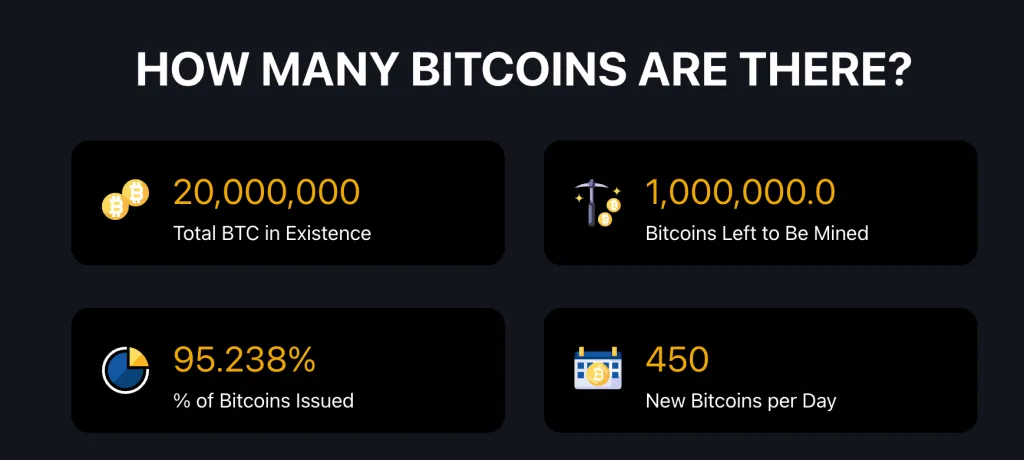
On March 9, the number of unmined BTC dropped to 1 million. Over 95% of the 21 million maximum supply is already in circulation, with the remainder to be mined by 2140.
On March 9, the volume of Bitcoin yet to be mined fell to the 1 million mark. This means more than 95% of BTC's hard-capped 21 million supply is already in circulation. The remaining million coins will be gradually released through mining rewards until approximately 2140.
Why This Matters
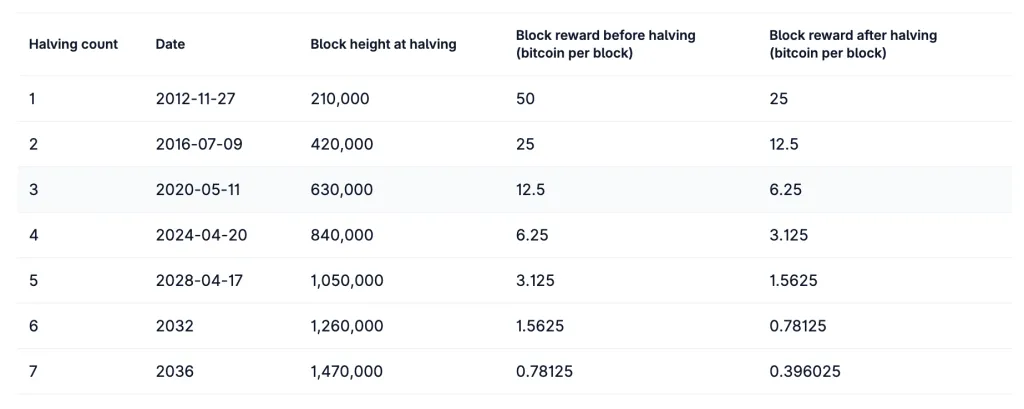
Bitcoin operates on a fixed emission schedule that has governed its monetary policy since inception. The network produces an average of 144 blocks per day, with difficulty adjustments occurring every 2,016 blocks — roughly every two weeks. The defining mechanism is the halving: block rewards are cut in half every 210,000 blocks, approximately once every four years.
Following the 2024 halving, the reward stands at 3.125 BTC per block, placing the network in its fifth emission epoch. The next reduction is expected in April–May 2028, when the reward will drop to 1.5625 BTC per block.
Growing Economic Pressure on Miners
Each successive halving slashes miner revenue and intensifies the economic strain on their operations. Transaction fees are expected to eventually become the primary income source, but currently they represent a relatively small share of total miner compensation.
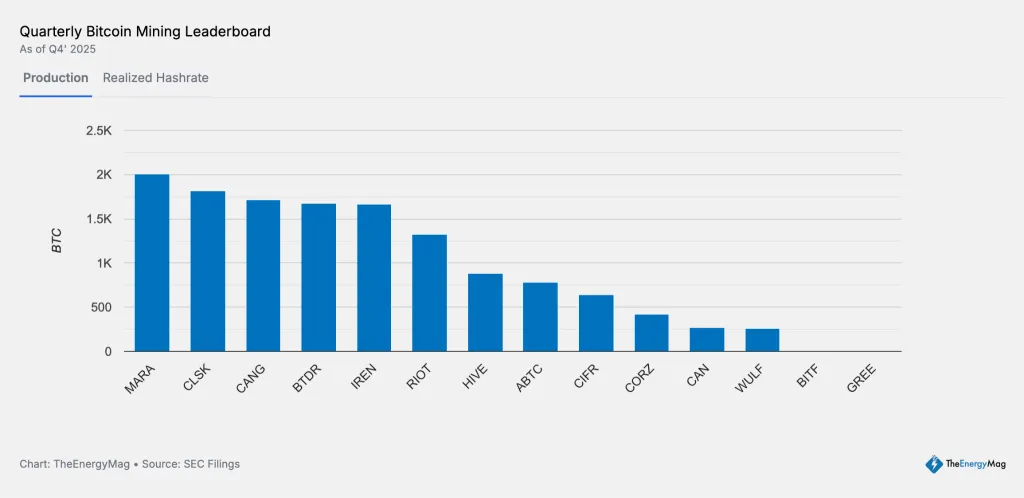
According to CryptoSlate's analysis using Riot Platforms as a benchmark, the breakeven point considering electricity costs alone is around $74,000 per BTC. When factoring in hardware, infrastructure, cooling systems, maintenance, and financing, the true breakeven figure may exceed $100,000 per coin. A significant portion of miners are already operating "underwater" — running at minimal margins or at a loss.
Network Resilience Against Physical Attacks
Researchers at the University of Cambridge conducted an extensive analysis spanning 11 years of data and 68 submarine cable fault events. Their conclusion: random physical cable breaks pose virtually no threat to the Bitcoin network.
"Just published: first study of Bitcoin's resilience to submarine cable failures, using 11 years of P2P network data & 68 cable fault events. Random cable failures are mostly harmless, but targeted attacks on 5 hosting providers could take out 95% of clearnet nodes." — Jameson Lopp (@lopp), original post
The average node drop during cable failures was just 1.5%, with zero price correlation. Disconnecting 10% of nodes would require severing between 72% and 92% of all intercontinental cables.
The real vulnerability lies elsewhere. A targeted attack on five major hosting providers — Hetzner, OVHcloud, Comcast, Amazon Web Services, and Google Cloud — could theoretically disable up to 95% of visible nodes by removing just 5% of capacity.
Tor as a Structural Defense Layer
Even a complete clearnet shutdown would not bring the Bitcoin network down. Tor has emerged as a critical resilience layer: the share of nodes running through the anonymous browser grew from zero in 2024 to 63% today (14,602 nodes).
The researchers also highlighted a paradoxical effect of China's 2021 mining ban. The crackdown dispersed hashrate across the globe, and increased censorship pushed node operators toward Tor. As a result, the network's critical vulnerability metric improved from 0.72 to 0.88, meaning Bitcoin became more resilient.
Separately, in March 2026, startup Starcloud announced plans to mine Bitcoin in space, aiming to launch a satellite equipped with ASIC miners into orbit before the end of the year.
Frequently Asked Questions
How many Bitcoin are left to mine?
As of March 9, 2026, fewer than 1 million BTC remain unmined. Over 95% of the 21 million maximum supply is already in circulation. The remaining coins will be gradually mined until approximately 2140.
When is the next Bitcoin halving?
The next halving is expected in April–May 2028. It will reduce the block reward from the current 3.125 BTC to 1.5625 BTC per block.
What is the breakeven cost of Bitcoin mining in 2026?
Based on CryptoSlate's analysis of Riot Platforms, the electricity-only breakeven is around $74,000 per BTC. When including all operational costs such as hardware, cooling, and maintenance, the real breakeven may exceed $100,000 per coin.
How resilient is the Bitcoin network to physical attacks?
University of Cambridge researchers found that random submarine cable failures cause an average node drop of just 1.5% with zero price correlation. Disconnecting 10% of nodes would require cutting 72% to 92% of all intercontinental cables.
What role does Tor play in Bitcoin network security?
Tor nodes grew from zero in 2024 to 63% of all Bitcoin nodes today (14,602 nodes). This anonymous layer ensures network functionality even if the entire clearnet is taken offline.
Read also
Bitcoin Down 2.5% Weekly: Jane Street Accusations & 7 Ethereum Forks
Bitcoin lost ~2.5% over the week amid macro shocks and geopolitical tensions. Jane Street faced market manipulation allegations while Ethereum unveiled an ambitious seven hard fork roadmap through 2029.
TON Wallet Introduces Yield Vaults for BTC, ETH, and USDT Directly in Telegram
TON Wallet has launched yield vaults for BTC, ETH, and USDT directly within Telegram, offering up to 18% APY on stablecoins through partnerships with Morpho, TAC, and Re7.
Weekly Recap: Aave Ecosystem Rescue Mobilizes 100,000 ETH and Quantum Computer Cracks 15-Bit ECC Key
Bitcoin held near $78,000, the DeFi community rallied over 100,000 ETH to help Aave recover from the Kelp hack, and a researcher cracked a 15-bit ECC key on a quantum computer.
Strategy Becomes Most-Shorted US Stock With $6B in Bets
Strategy tops the list of most-shorted large-cap US stocks with $6 billion in short positions, representing 14% of its market cap, as Bitcoin's decline erodes confidence in the company's debt-fueled BTC accumulation model.
Institutional Investors Dump ETF Shares Worth 25,000 BTC During Market Crash
Institutional investors massively sold Bitcoin ETF positions in Q4 2025, offloading shares equivalent to 25,098 BTC during the crypto market correction.
Bitcoin Hits $70,000 as Iran Ceasefire Talks Boost Risk Appetite
Bitcoin surged 4% to test the $70,000 level on April 6 amid reports of ceasefire negotiations between the US, Israel, and Iran. The derivatives market, however, sends mixed signals.