
Kelp Protocol Loses $293M in Cross-Chain Bridge Exploit
 BinanceEXCHANGE
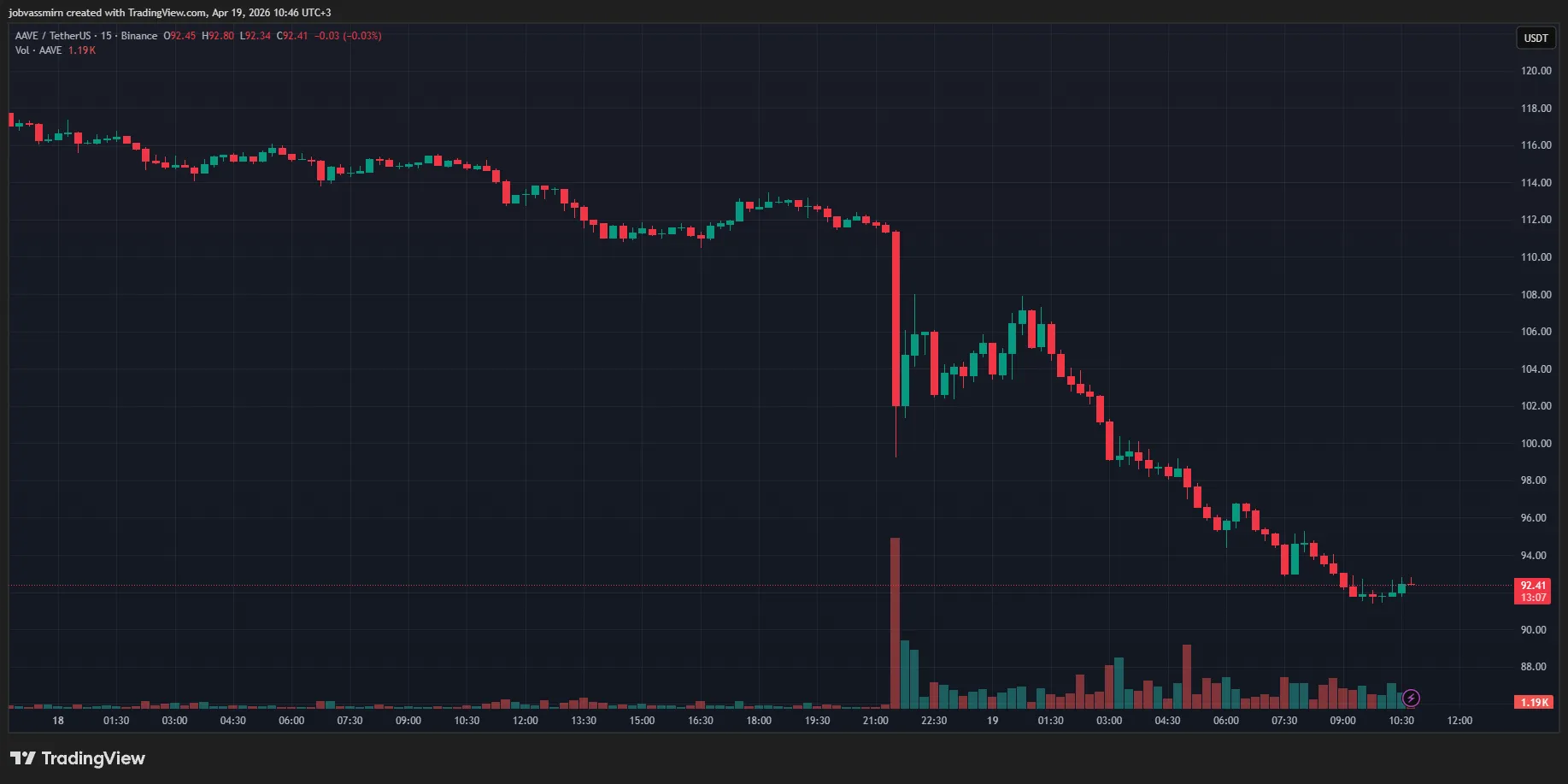
Liquid restaking protocol Kelp suffered a $293M exploit through a vulnerability in its rsETH cross-chain bridge on LayerZero. AAVE dropped nearly 20% amid bad debt concerns.
Kelp Suffers $293M Exploit Through rsETH Cross-Chain Bridge
On April 17, liquid restaking protocol Kelp was hit by a major exploit that drained approximately $293 million from its rsETH cross-chain bridge built on LayerZero infrastructure. The attack ranks among the largest DeFi security breaches of 2026.
Blockchain security firm Cyvers flagged the incident in real time:
«🚨 $293M EXPLOIT DETECTED: Cyvers AI systems have identified a massive attack on @KelpDAO. Our platform flagged the breach in real-time, tracking ~$293.7M drained from the protocol's RSETH Adapter. Currently, ~$250M has already been swapped to $ETH and is held across two…» — 🚨 Cyvers Alerts 🚨 (@CyversAlerts), original post
Why This Matters
The Kelp exploit deals another blow to the liquid restaking sector and cross-chain infrastructure broadly. The stolen 116,500 rsETH represent roughly 18% of the token's total circulating supply, posing systemic risk to the entire rsETH ecosystem. The incident also dragged down Aave's token price by nearly 20% due to fears around potential bad debt on the lending platform.
How the Attack Unfolded
According to CyversAlerts, the attacker exploited a vulnerability in the rsETH cross-chain bridge powered by LayerZero. At 17:35 UTC, the hacker called the lzReceive function on the EndpointV2 contract, initiating a transfer of 116,500 rsETH to a personal wallet. The attacking address had been funded through crypto mixer Tornado Cash.
Cyvers reported that approximately $250 million of the stolen funds had already been swapped to ETH.
Kelp and Aave Respond
The Kelp team detected suspicious activity and responded approximately 46 minutes after the exploit began. An emergency pause mechanism in the rsETH token configuration contract was triggered, causing a cascading halt across other protocol components.
«Earlier today we identified suspicious cross-chain activity involving rsETH. We have paused rsETH contracts across mainnet and several L2s while we investigate. We are working with @LayerZero_Core, @unichain, our auditors and top security experts on RCA.» — Kelp (@KelpDAO), original post
The project confirmed that rsETH contracts were paused on mainnet and multiple L2 networks. The investigation is being conducted jointly with LayerZero, Unichain, auditors, and cybersecurity specialists.
DeFi lending giant Aave also moved quickly to freeze rsETH markets on its V3 and V4 platforms. The AAVE token dropped nearly 20% within 24 hours amid reports of potential bad debt exposure.
Follow-Up Withdrawal Attempts Blocked
After the emergency pause was activated, the attacker made two additional attempts to drain funds — each time trying to transfer 40,000 rsETH (approximately $100 million). Both transactions were successfully blocked.
This marks the second security incident for Kelp. In April 2025, the protocol suspended deposits and withdrawals after a fee agreement bug led to excessive minting of rsETH.
According to CoinGecko, rsETH's price was not significantly impacted despite the stolen tokens representing about 18% of total circulating supply.
The Kelp breach comes less than three weeks after DeFi platform Drift Protocol on Solana was hacked on April 1, with attackers draining at least $280 million.
Frequently Asked Questions
How much was stolen from Kelp Protocol?
The attacker drained approximately $293 million worth of assets, extracting 116,500 rsETH tokens. According to Cyvers, around $250 million had already been swapped to ETH.
How was Kelp Protocol exploited?
The hacker exploited a vulnerability in the rsETH cross-chain bridge on LayerZero. They called the lzReceive function on the EndpointV2 contract to transfer tokens to their wallet. The attacking address was funded via Tornado Cash.
Why did AAVE price drop after the Kelp hack?
AAVE fell nearly 20% within 24 hours due to concerns about potential bad debt. Aave froze rsETH markets on its V3 and V4 platforms in response to the exploit.
Were any stolen funds recovered from the Kelp exploit?
While no recovery has been confirmed, two follow-up withdrawal attempts by the hacker — each for 40,000 rsETH (~$100M) — were successfully blocked after the emergency pause was activated.
Has Kelp Protocol been hacked before?
Yes, in April 2025 Kelp suspended deposits and withdrawals after a fee agreement bug caused excessive minting of rsETH. The April 2026 exploit is the protocol's second security incident.
Read also
Weekly Recap: Aave Ecosystem Rescue Mobilizes 100,000 ETH and Quantum Computer Cracks 15-Bit ECC Key
Bitcoin held near $78,000, the DeFi community rallied over 100,000 ETH to help Aave recover from the Kelp hack, and a researcher cracked a 15-bit ECC key on a quantum computer.
Drift Protocol Hack Victims File Class Action Lawsuit Against Circle Over $230M in USDC
Over 100 victims of the Drift Protocol exploit have filed a class action lawsuit against Circle in Massachusetts court, accusing the USDC issuer of negligence and enabling hackers.
Drift Protocol on Solana Hacked for $280M in Sophisticated Durable Nonce Attack
Solana-based DeFi platform Drift Protocol lost at least $280 million in a hack on April 1. The DRIFT token dropped 37% while Circle faces criticism for failing to freeze stolen USDC.
Aave Becomes First DeFi Protocol to Surpass $1 Trillion in Cumulative Loans
Lending protocol Aave has reached a historic milestone: its all-time loan volume has exceeded $1 trillion, a first for any DeFi project. The achievement comes amid governance tensions within the DAO.
TON Wallet Introduces Yield Vaults for BTC, ETH, and USDT Directly in Telegram
TON Wallet has launched yield vaults for BTC, ETH, and USDT directly within Telegram, offering up to 18% APY on stablecoins through partnerships with Morpho, TAC, and Re7.
Stablecoin Transfer Volume Hits $10.5 Trillion in January — Highest Since April 2022
January stablecoin transaction volume surpassed $10.5 trillion, marking the highest monthly figure since April 2022. USDC led transfers while USDT maintained market cap dominance.