
Wave of DeFi Exploits Puts Wall Street's Crypto Ambitions at Risk
Attacks on Drift and Kelp triggered over $15 billion in DeFi outflows. A Jefferies analyst warns that major financial firms may slow their blockchain adoption efforts.
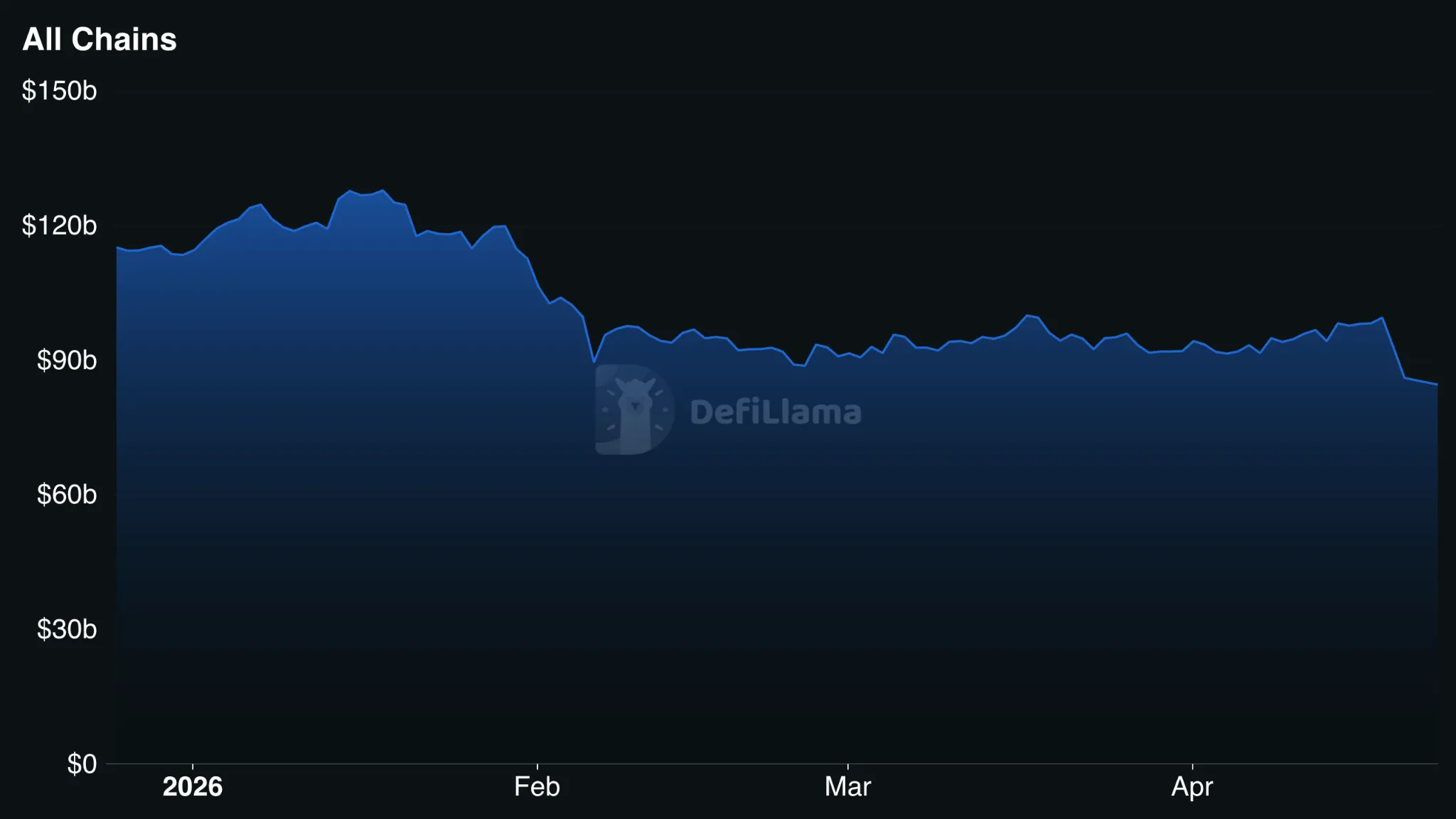
Major hacking incidents targeting Drift Protocol and Kelp have driven more than $15 billion in withdrawals from the DeFi sector. Andrew Moss of investment bank Jefferies believes the attacks could dampen enthusiasm among major financial institutions for blockchain technology, according to Bloomberg.
Wall Street at a Crossroads
According to Moss, firms like BlackRock, Franklin Templeton, and Apollo Global Management have spent the past year building products on technology similar to what was compromised by Lazarus Group hackers. In late March, the New York Stock Exchange partnered with Securitize to launch trading of tokenized equities, while Nasdaq is pursuing a comparable initiative.
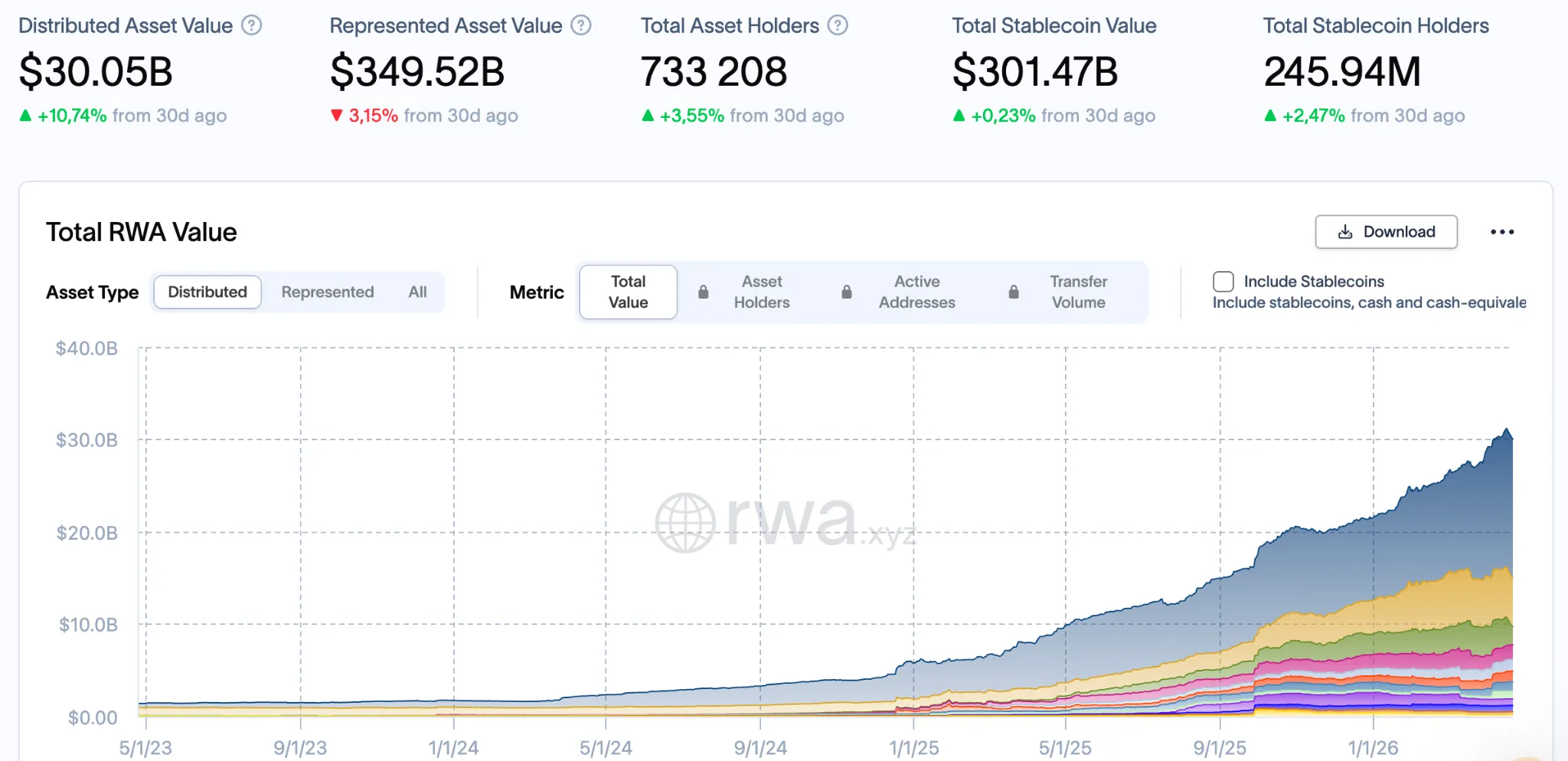
The real-world asset (RWA) tokenization sector has been on a remarkable trajectory. Data from RWA.xyz shows the market has grown roughly 400% since 2025, surpassing $30 billion. Ark Invest projects that RWA could reach $11 trillion within the next five years.
Moss noted that the hack damage is unlikely to directly impact traditional markets. However, many Wall Street players may reassess their risk exposure and slow crypto adoption. The Jefferies representative explained that financial companies won't abandon digital assets entirely, but tokenization initiatives across banks, asset managers, fintech, and payment systems could face temporary delays.
Why This Matters
The $290 million Kelp hack was the largest exploit of the year, following closely behind the April 1 attack on Drift Protocol that resulted in $285 million in losses. Cybersecurity experts have linked both incidents to North Korean hacking groups. The combined damage and subsequent mass withdrawals cast doubt on DeFi infrastructure reliability at precisely the moment institutional players are expanding their blockchain presence.
Trust Crisis Spreads Across DeFi
The fallout extended well beyond the directly targeted protocols. Following the Kelp exploit, investors rushed to withdraw funds from leading lending protocol Aave, with outflows exceeding $16 billion in under a week.
Ethena's stablecoin USDe was also hit hard. CryptoQuant analysts flagged an $800 million collapse in USDe supply over just three days.
"USDe supply fell $800M (-14%) in 3 days: one of its largest redemptions. Liquidity is exiting fast, and pressure is spreading across DeFi." — CryptoQuant.com (@cryptoquant_com), original post
Industry Leaders Call for Unified Security Standards
In response to the crisis, prominent DeFi builders have called for collective action. Curve Finance founder Michael Egorov urged developers to unite and establish common security standards, proposing that both Ethereum Foundation and Solana Foundation rally ecosystem projects around shared principles and guidelines for secure development.
"So let me start. DeFi is the future of the World Financial System. That's my belief, and this is why we are here. This amount of absolutely preventable hacks we see in DeFi (with root causes attributable to CENTRALIZED points of failure) is enormous recently." — Michael Egorov (@newmichwill), original post
Uniswap creator Hayden Adams echoed this sentiment, emphasizing that eliminating central points of failure remains DeFi's core mission and the best approach to both security and legal risk.
"Removing central points of failure is the mission of defi. Its the best approach to security and legal risk, and achieves the best user outcomes. But its a good week to remember the mission." — Hayden Adams 🦄 (@haydenzadams), original post
On April 22, yet another incident occurred: hackers targeted liquid staking protocol Volo, draining $3.5 million from WBTC and USDC pools. The relentless pace of attacks amplifies pressure on the industry and underscores the urgent need for a systematic approach to DeFi security.
Frequently Asked Questions
How much money was lost in the Drift and Kelp DeFi hacks?
The Kelp exploit resulted in $290 million in losses, making it the largest hack of 2026. The Drift Protocol attack on April 1 caused $285 million in damages. Combined, users withdrew over $15 billion from the DeFi sector.
Who is behind the 2026 DeFi protocol attacks?
Cybersecurity experts have attributed both the Drift Protocol and Kelp exploits to North Korean hackers associated with the Lazarus Group. The attacks exploited centralized points of failure in the protocols.
Will Wall Street stop investing in crypto after DeFi hacks?
According to Andrew Moss of Jefferies, financial firms are unlikely to abandon digital assets entirely. However, tokenization initiatives across banks, asset managers, fintech, and payment systems may experience temporary slowdowns as companies reassess their risk exposure.
How big is the real-world asset tokenization market?
According to RWA.xyz, the RWA sector has grown approximately 400% since 2025, exceeding $30 billion. Ark Invest projects the market could reach $11 trillion within five years.
What solutions are DeFi leaders proposing for security issues?
Curve Finance founder Michael Egorov has called on Ethereum Foundation and Solana Foundation to establish unified security standards across the ecosystem. Uniswap creator Hayden Adams emphasized that removing central points of failure is DeFi's core mission.
Read also
CoinShares: TradFi and DeFi Are Merging Into a Hybrid Finance System
A joint report by CoinShares and Token Terminal documents the convergence of traditional and decentralized finance into a measurable market structure, with stablecoins at $297.6 billion and the RWA market approaching $29 billion.
AI Audit Uncovers Critical Liveness Bug in Ethereum's Nethermind Client
Octane Security's AI discovered a high-severity vulnerability in the Nethermind execution client that could have halted block production for 38% of Ethereum mainnet validators. The Ethereum Foundation awarded a maximum $50,000 bounty.
TON Wallet Introduces Yield Vaults for BTC, ETH, and USDT Directly in Telegram
TON Wallet has launched yield vaults for BTC, ETH, and USDT directly within Telegram, offering up to 18% APY on stablecoins through partnerships with Morpho, TAC, and Re7.
Weekly Recap: Aave Ecosystem Rescue Mobilizes 100,000 ETH and Quantum Computer Cracks 15-Bit ECC Key
Bitcoin held near $78,000, the DeFi community rallied over 100,000 ETH to help Aave recover from the Kelp hack, and a researcher cracked a 15-bit ECC key on a quantum computer.
Stablecoin Transfer Volume Hits $10.5 Trillion in January — Highest Since April 2022
January stablecoin transaction volume surpassed $10.5 trillion, marking the highest monthly figure since April 2022. USDC led transfers while USDT maintained market cap dominance.
Bloomberg and Kaiko Partner to Bring Financial Data On-Chain via Canton Network
Bloomberg and Kaiko have partnered to bring institutional-grade financial data on-chain through Canton Network, starting with tokenized US Treasuries and repo operations.