
CertiK Warns OpenClaw AI Agent Poses Critical Risks to Crypto Wallets
Blockchain auditor CertiK published a comprehensive report detailing multiple attack vectors through the OpenClaw AI agent, including gateway takeover, malicious plugins, and targeted attacks on popular crypto wallets.
Blockchain security firm CertiK has released a detailed report labeling the OpenClaw AI agent as "the leading software supply chain attack vector on a global scale." According to the firm, users of the digital assistant face significant risks of data leaks, breaches, and cryptocurrency theft.
"What happens when an AI agent gets broad access before security catches up? Our latest report examines OpenClaw's attack surface, from gateway takeover and identity bypass to prompt injection and supply chain risk." — CertiK (@CertiK), original post
Why This Matters
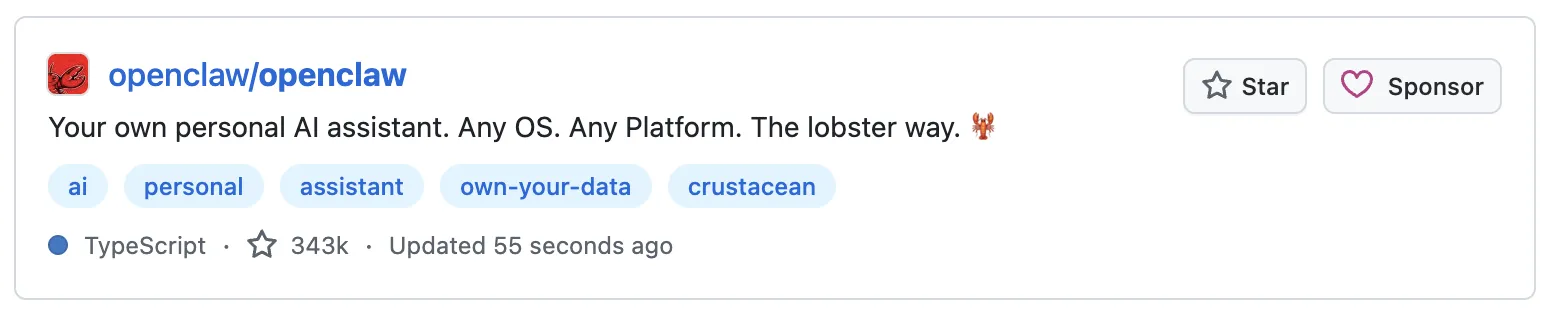
OpenClaw has rapidly amassed a massive user base — its GitHub stars exceeded 340,000, and in March 2026, a wave of enthusiasm swept China where nearly 1,000 people lined up at Tencent's headquarters to install the software. With such widespread adoption, the vulnerabilities identified by CertiK affect an enormous number of users, particularly those handling cryptocurrency. Attackers have already targeted major wallets including MetaMask, Phantom, Trust Wallet, Coinbase Wallet, OKX Wallet, and others.
How OpenClaw Attack Vectors Work
CertiK's report explains that OpenClaw acts as a bridge between external data and local code execution, creating standard channels for cyberattacks. A primary vector involves local gateway takeover: malicious websites or scripts exploit the assistant's presence on a device to steal sensitive information or perform unauthorized actions.
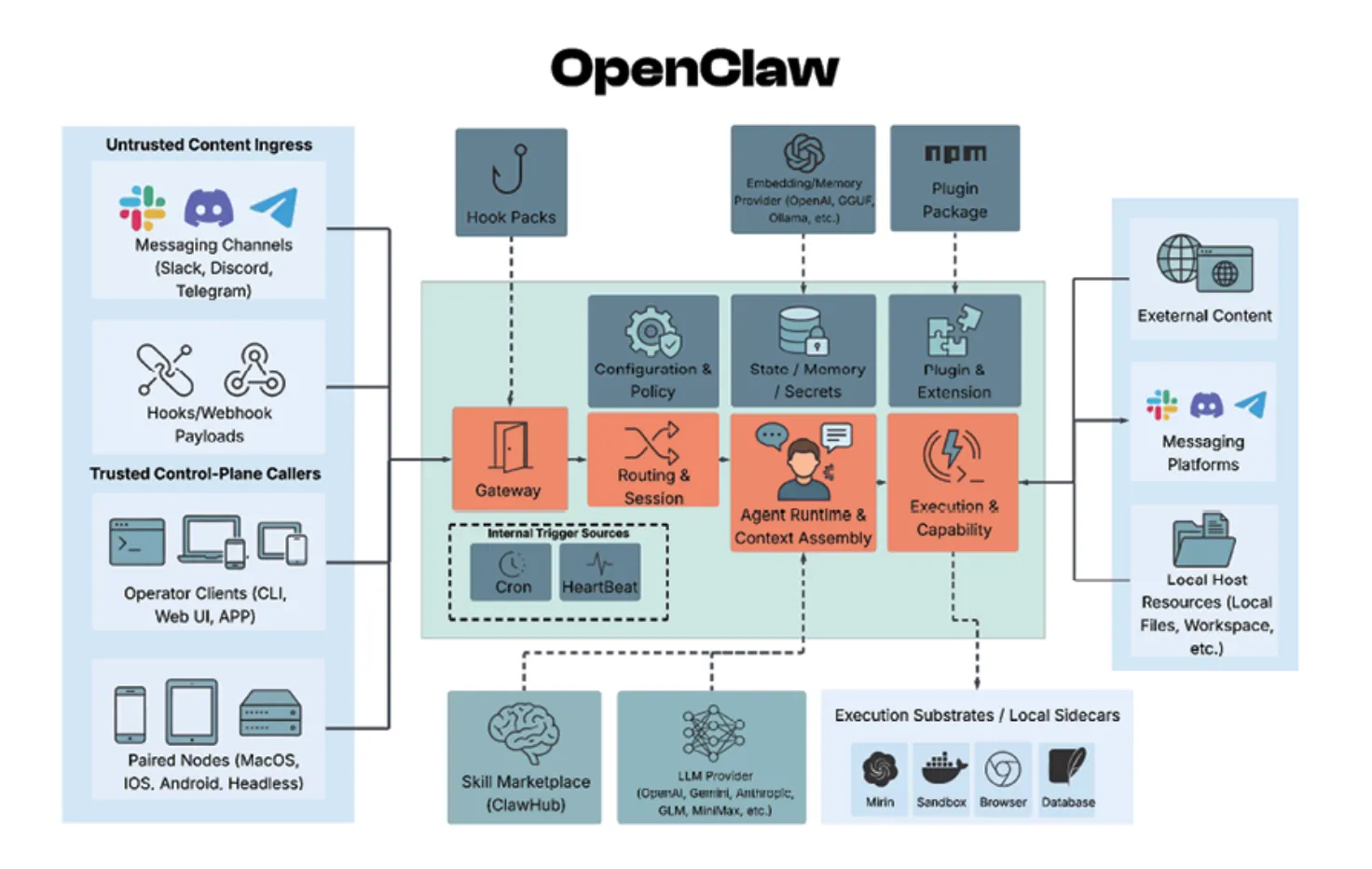
Malicious plugins and skills for OpenClaw present a distinct threat. Available for installation from local sources and marketplaces, these components differ from traditional malware by manipulating the agent's behavior through natural language — rendering them resistant to conventional antivirus scanning. Once activated, they can extract sensitive data including crypto wallet credentials.
CertiK's researchers noted that infected components hide within legitimate codebases and load seemingly harmless URLs that actually deliver shell commands or malicious scripts.
Scope of the Threat
Attackers deliberately planted malicious skills across high-value categories:
- Phantom wallet utilities
- Address trackers
- Insider wallet discovery tools
- Polymarket instruments
- Google Workspace integrations
The researchers observed that the attackers' methods mirror well-known crypto fraud techniques: social engineering, fake utility deception, credential theft, and phishing campaigns.
OpenClaw's Troubled Security History
OpenClaw originated as a spinoff of Clawdbot, which launched in November 2025. The project gained traction quickly among developers and general users alike, but security concerns emerged almost immediately.
Within weeks of the initial release, Bitsight researchers discovered 30,000 exposed OpenClaw instances. SecurityScorecard identified 135,000 copies across 82 countries, of which 15,200 were vulnerable to remote code execution, according to CertiK's report.
To date, the platform has accumulated over 280 GitHub Security Advisories, 100 CVEs (Common Vulnerabilities and Exposures), and a string of ecosystem-level attacks. China's cybersecurity center had previously warned about OpenClaw-related risks, and a paid removal service for the AI agent even emerged in the country.
Earlier in March 2026, cybersecurity firm OX Security reported that threat actors were exploiting OpenClaw's popularity to conduct phishing campaigns and steal cryptocurrency from developers.
CertiK's Advice to Users
CertiK advised regular users — those who are not security specialists, developers, or advanced technical enthusiasts — to avoid installing OpenClaw altogether. The firm recommended waiting for more mature, hardened, and managed versions of the platform before adopting it.
Frequently Asked Questions
What is OpenClaw and why is it a crypto security risk?
OpenClaw is an AI agent that evolved from Clawdbot, launched in November 2025. It bridges external data with local code execution, creating attack channels. CertiK identified it as the leading global software supply chain attack vector, with malicious plugins capable of stealing crypto wallet credentials.
Which crypto wallets are targeted through OpenClaw attacks?
Attackers have targeted major browser extension wallets including MetaMask, Phantom, Trust Wallet, Coinbase Wallet, OKX Wallet, and others. Malicious skills were planted across high-value categories like Phantom utilities, address trackers, and Polymarket tools.
How many vulnerable OpenClaw instances exist?
SecurityScorecard researchers found 135,000 OpenClaw copies across 82 countries, with 15,200 vulnerable to remote code execution. Bitsight discovered 30,000 exposed instances within weeks of the initial release.
Should I install OpenClaw on my computer?
CertiK advises regular users who are not security specialists or developers to avoid installing OpenClaw. The firm recommends waiting for more mature, hardened, and managed versions of the platform before adoption.
How do OpenClaw malicious plugins differ from traditional malware?
Unlike conventional viruses, OpenClaw's malicious plugins manipulate the agent's behavior through natural language, making them resistant to standard antivirus scanning. Once activated, they can extract sensitive information including crypto wallet credentials while hiding within legitimate codebases.
Read also
Infostealer Targets 700+ Crypto Wallets, Hackers Use Solana as Dead Drop, and UK Sanctions Xinbi
Weekly cybersecurity roundup: Torg Grabber infostealer targets 728 browser-based crypto wallets, GlassWorm campaign hides C2 addresses in Solana blockchain, and the UK imposes sanctions on crypto marketplace Xinbi linked to scam compounds.
April 2026 Sets All-Time Record for Number of Crypto Hacks
April 2026 saw a record-breaking 24 crypto hacks resulting in approximately $651 million in total losses. Kelp and Drift Protocol suffered the largest exploits.
GPU Memory Attacks, $21B in Cybercrime Losses, and Chrome's Chip-Level Protection: Cybersecurity Roundup
The FBI reported record $21 billion in cybercrime losses for 2025, Google introduced hardware-bound session protection in Chrome, and researchers demonstrated three new attack methods targeting Nvidia GPU memory.
AI Audit Uncovers Critical Liveness Bug in Ethereum's Nethermind Client
Octane Security's AI discovered a high-severity vulnerability in the Nethermind execution client that could have halted block production for 38% of Ethereum mainnet validators. The Ethereum Foundation awarded a maximum $50,000 bounty.
Fake Ledger Live App in Apple's App Store Used to Steal $9.5M in Crypto
A fraudulent Ledger Live app that passed Apple's App Store review was used to siphon over $9.5M in cryptocurrency from more than 50 victims across multiple blockchain networks.
Drift Protocol on Solana Hacked for $280M in Sophisticated Durable Nonce Attack
Solana-based DeFi platform Drift Protocol lost at least $280 million in a hack on April 1. The DRIFT token dropped 37% while Circle faces criticism for failing to freeze stolen USDC.