
Binance Research: Bitcoin Has Become a Leading Macro Indicator After ETF Launch
 BinanceEXCHANGE
Binance Research analysts have identified a structural shift in Bitcoin's behavior: since the launch of spot ETFs, BTC no longer follows central bank decisions — it anticipates them.
Bitcoin Moves Ahead of Central Banks
Bitcoin no longer trails central bank monetary decisions — it prices in macroeconomic trends well in advance. That's the central finding of Binance Research's weekly market review published on April 2, 2026.
Analysts pinpoint the launch of spot Bitcoin ETFs in 2024 as the catalyst for this structural transformation. Before that milestone, BTC followed easing cycles with a slight lag, maintaining a +0.21 correlation with the GCBI index. After ETFs went live, that relationship reversed and tripled in magnitude to -0.778. Bitcoin effectively began moving before central banks could even announce their decisions.
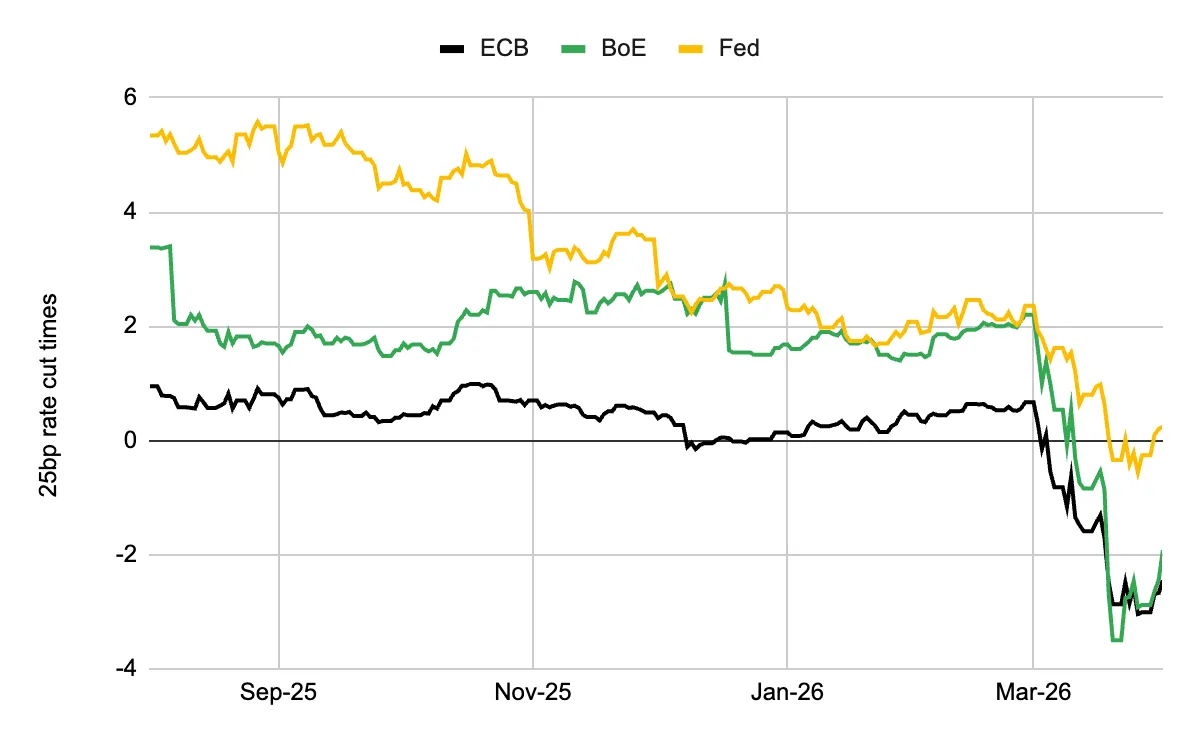
The driving force behind this shift is a change in the marginal buyer. Institutional investors who gained BTC exposure through ETFs build macro scenarios with 6–12 month horizons. Bitcoin has evolved from a "lagging receiver" of macro signals into an asset that front-runs the monetary cycle.
According to the analysts, peak global easing may already be priced into Bitcoin. Crypto-native factors — regulatory progress and institutional capital flows — now exert more influence on price than the direction of monetary policy itself.
Why This Matters
Bitcoin's transition from a lagging asset to a leading indicator represents a fundamental shift in its market role. Previously, investors could use Fed and central bank decisions as entry signals for BTC. Now, Bitcoin itself is becoming a signal for forecasting monetary policy. This strengthens its standing as a macro asset and demands an entirely different analytical framework from market participants.
Stagflation Risks and Historical Parallels
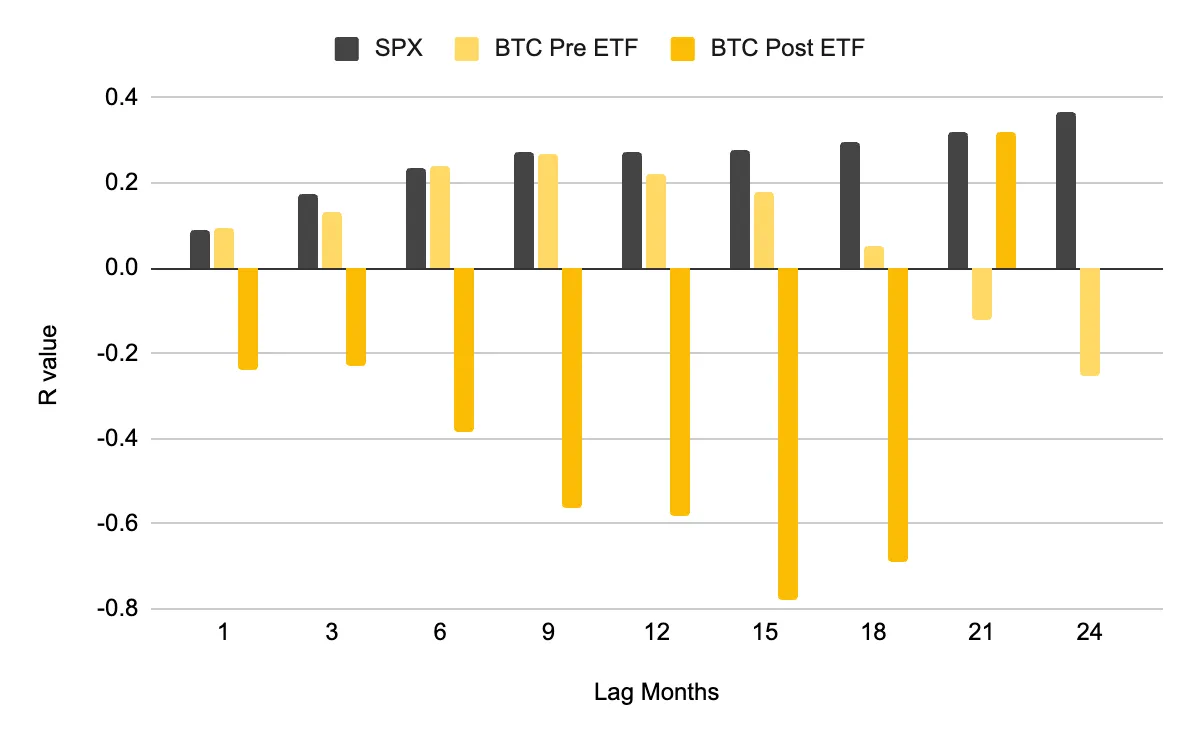
The Binance Research review arrived amid a dramatic repricing of interest rate expectations. According to the report, since the onset of the Iranian conflict in late February, expectations for two Fed rate cuts in 2026 have dropped to zero. The ECB shifted from a "pause" stance to pricing in approximately 2.5 rate hikes, while the Bank of England reversed from two anticipated cuts to two hikes — an unusually sharp reassessment.
Rising oil prices amid constrained reserves amplify stagflationary risks — the toxic combination of elevated inflation and economic slowdown. In 2022, a similar environment drove Bitcoin from ~$69,000 down to ~$16,000. Analysts acknowledge a comparable short-term scenario is possible, but with a caveat: over the longer term, stagflation could benefit BTC if policy pivots back toward easing or if fears of fiat currency debasement intensify, reinforcing the "scarce digital gold" narrative.
Markets May Be Wrong About Tightening
While markets have priced in a hawkish pivot across all three major central banks, Binance Research analysts view these expectations as risky. They argue the market is interpreting the current crisis as a massive monetary tightening shock — a reading they describe as highly debatable and potentially a significant mispricing.
Historical precedent suggests otherwise. When faced with simultaneous growth slowdowns and rising prices, central banks have historically prioritized economic support over inflation control. In 1990, the Fed shifted to rate cuts following an oil shock. In 2019, the regulator delivered three cuts in three months despite markets pricing in tightening.
Current signals from the Federal Reserve also lean dovish. Chair Jerome Powell stated the Fed is inclined not to react to inflationary shocks driven by supply-side factors. Governing council member Steven Miran argued the case for a 100 basis point rate reduction in 2026, assessing that inflation expectations have not been damaged by the oil shock.
Earlier in January, Binance Research's annual report forecast a "risk restart" in 2026 driven by synchronized central bank easing and a wave of deregulation. The latest weekly review suggests that outlook has grown considerably more nuanced.
Frequently Asked Questions
Why has Bitcoin become a leading macro indicator?
According to Binance Research, the launch of spot Bitcoin ETFs in 2024 changed the marginal buyer. Institutional investors accessing BTC through ETFs price in macro scenarios 6–12 months ahead, transforming Bitcoin from a lagging asset into one that front-runs the monetary cycle.
What is Bitcoin's correlation with the GCBI index?
Before 2024, BTC had a +0.21 correlation with GCBI, following easing cycles with a lag. After the ETF launch, the relationship reversed and tripled to -0.778, meaning Bitcoin now moves ahead of central bank decisions.
How does stagflation affect Bitcoin price?
In the short term, stagflation is negative for Bitcoin — in 2022, similar conditions drove BTC from ~$69,000 to ~$16,000. However, Binance Research notes that long-term stagflation could benefit BTC if policy pivots to easing or fiat debasement fears strengthen the 'scarce digital gold' narrative.
Will the Fed raise rates in 2026?
Binance Research considers market expectations of tightening to be risky. Historically, central banks have chosen to support growth over fighting inflation during slowdowns. Current Fed signals, including statements from Chair Jerome Powell, also suggest a dovish stance.
How did the Iran conflict change rate expectations?
Since the conflict began in late February, expectations for two Fed rate cuts dropped to zero, the ECB shifted from a pause to pricing ~2.5 hikes, and the Bank of England reversed from two cuts to two hikes — an unusually sharp repricing across all three major central banks.
Read also
Wintermute Links Bitcoin Stagnation to Macroeconomic Regime Shift
The market maker explains crypto weakness through structural economic changes: AI sector reassessment and deglobalization. Bitcoin behaves as a high-risk asset alongside tech stocks.
Bitcoin Down 2.5% Weekly: Jane Street Accusations & 7 Ethereum Forks
Bitcoin lost ~2.5% over the week amid macro shocks and geopolitical tensions. Jane Street faced market manipulation allegations while Ethereum unveiled an ambitious seven hard fork roadmap through 2029.
Institutional Investors Dump ETF Shares Worth 25,000 BTC During Market Crash
Institutional investors massively sold Bitcoin ETF positions in Q4 2025, offloading shares equivalent to 25,098 BTC during the crypto market correction.
Options Traders Bet on Bitcoin Rally to $80,000 by Summer
Bitcoin consolidates near $70,000 after a volatility spike. Options market participants are increasingly positioning for a rally to $80,000 by early summer, despite macroeconomic headwinds.
Bitcoin Drops Below $67,000 as Ethereum Foundation Unveils Quantum Defense Roadmap
Bitcoin lost 3% over the week amid Middle East tensions and ETF outflows, miner activity hit historic lows, and Ethereum Foundation outlined a four-hardfork plan for quantum resistance by 2029.
TON Wallet Introduces Yield Vaults for BTC, ETH, and USDT Directly in Telegram
TON Wallet has launched yield vaults for BTC, ETH, and USDT directly within Telegram, offering up to 18% APY on stablecoins through partnerships with Morpho, TAC, and Re7.